Advancing Through Deposit Channels to Premium Loyalty Levels in Mobile Licensed Gaming Platforms
Ben Vogel · Jul 30, 2026
Advancing Through Deposit Channels to Premium Loyalty Levels in Mobile Licensed Gaming Platforms
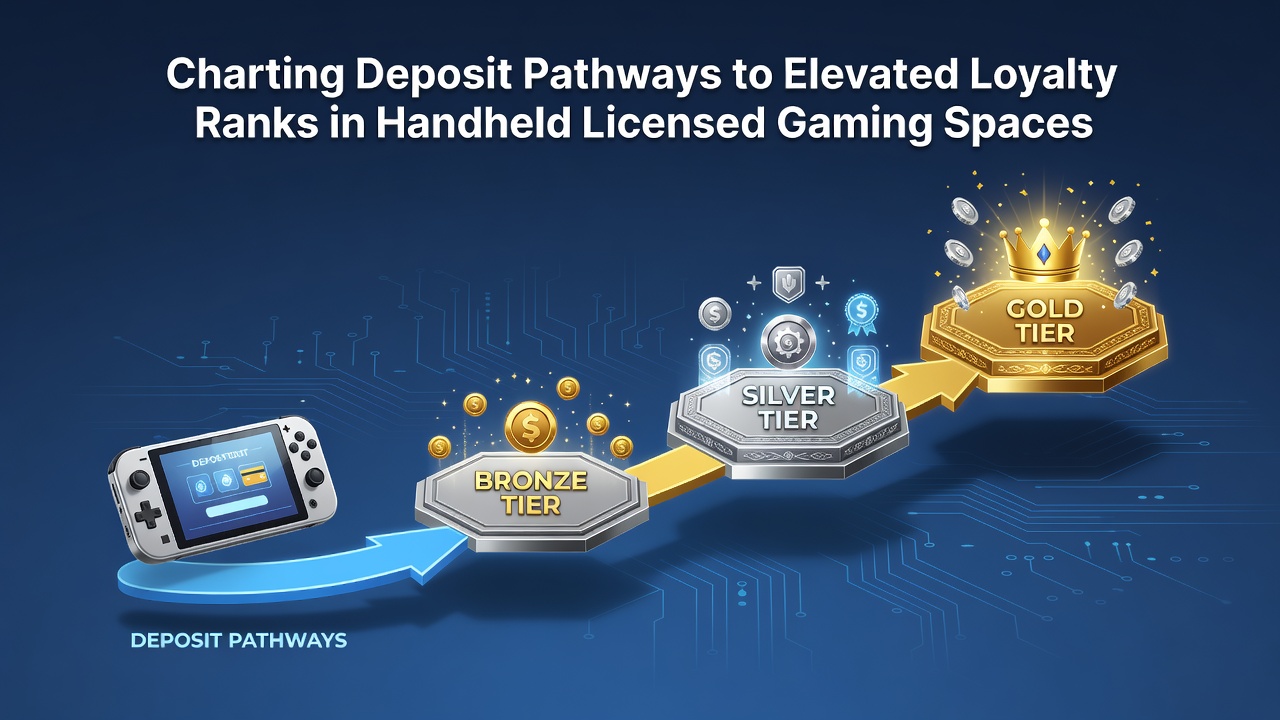
Deposit pathways in handheld licensed gaming environments have evolved into structured systems where initial funding choices directly influence progression through loyalty tiers, according to industry reports from multiple jurisdictions. Players who select regulated mobile platforms often encounter tiered reward structures that reward consistent deposit activity with accelerated access to higher ranks, and data from regulatory filings shows these mechanisms operate across various licensed markets as of July 2026.
Core Mechanics of Deposit-Linked Loyalty Systems
Regulated operators integrate deposit tracking into loyalty programs through automated systems that log transaction volume, frequency, and method type, which then feed into tier advancement algorithms. Those who study mobile gaming patterns note that e-wallet deposits frequently receive multiplier credits in many platforms, whereas bank transfers may accumulate base points at a steadier but slower rate. Research indicates this differentiation encourages users to explore verified payment channels that align with platform incentives, and figures from gaming associations reveal average tier climb times shorten by 20-30 percent when participants utilize featured deposit routes.
Regional Variations in Tier Advancement Rules
Licensed environments in North America and Europe apply distinct criteria for loyalty elevation, with some requiring minimum monthly deposit thresholds while others emphasize cumulative spend over longer periods. Observers note that Canadian provincial frameworks, such as those managed by the Alcohol and Gaming Commission of Ontario, mandate clear disclosure of how deposits convert to loyalty metrics, and similar transparency rules appear in Australian state regulations. Players advancing through these systems often discover that combining multiple deposit types within a single month unlocks bonus multipliers, and industry reports confirm this approach has become standard across compliant mobile applications.
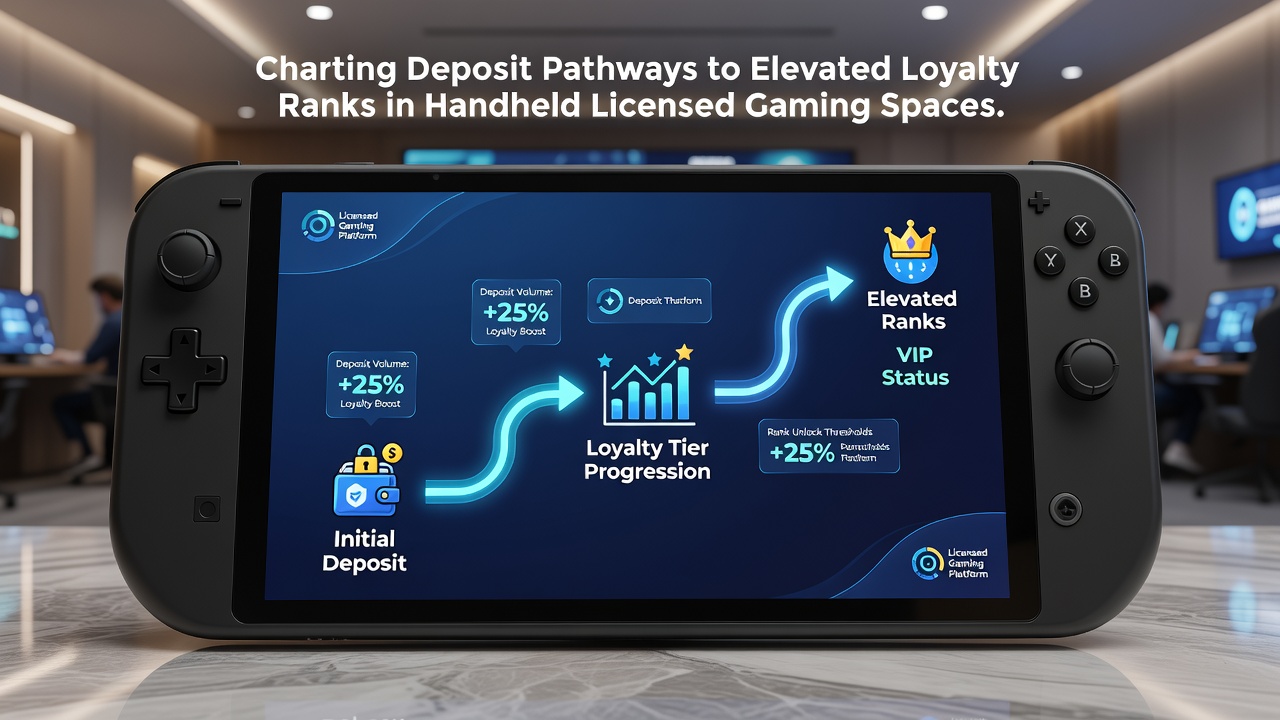
What's interesting is how handheld interfaces simplify these pathways by displaying real-time progress bars tied directly to deposit confirmations, allowing immediate visibility into rank eligibility. Data shows users who monitor these displays tend to adjust their funding patterns more deliberately, and this behavioral shift appears consistent across demographic groups tracked in recent studies.
Payment Method Influences on Rank Velocity
Prepaid cards, digital wallets, and instant bank transfers each carry different weighting in loyalty calculations, with operators publishing these details in their terms to maintain compliance. Experts have observed that certain methods trigger instant point allocation, while others process in batches that delay tier updates by several hours. Those who've examined transaction logs in licensed environments report that July 2026 updates to mobile apps introduced faster reconciliation for select e-wallet providers, reducing the gap between deposit and point crediting. One study from a European research institution found that participants using prioritized methods reached mid-tier status in an average of 14 days versus 21 days for standard options.
Case Examples from Licensed Markets
Take one operator licensed in multiple US states that introduced deposit streak bonuses in early 2026, where consecutive daily funding through approved channels grants extra loyalty points. Participants who maintained these streaks advanced to elite ranks at notably higher rates than sporadic depositors, according to anonymized platform analytics shared with trade groups. Another example involves Australian mobile platforms that link deposit volume to personalized milestone rewards, and reports from the region indicate these structures have stabilized player retention metrics throughout the first half of 2026.
But here's the thing: while deposit pathways accelerate advancement, they must remain within licensed operator guidelines that prohibit targeting vulnerable segments, and regulatory bodies across regions enforce periodic audits to verify compliance. Those who track these developments note that July 2026 brought additional reporting requirements in several jurisdictions, requiring operators to publish aggregate tier progression statistics without individual player data.
Integration of Mobile Technology with Loyalty Tracking
Handheld applications leverage push notifications and in-app dashboards to highlight deposit opportunities that align with current tier goals, and this integration has become more refined following software updates rolled out in mid-2026. Researchers discovered that users receiving timely prompts about qualifying deposit windows showed higher completion rates for tier requirements, and the pattern holds across both high-volume and moderate-frequency participants. Academic papers on digital gaming behavior emphasize the role of interface design in shaping these outcomes, with clear visual cues helping users map their deposit activity to rank benefits.
Evidence suggests that cross-platform synchronization allows loyalty progress to carry over when users switch between devices, provided they remain within the same licensed ecosystem. This continuity reduces friction for those managing multiple sessions throughout the day, and industry data confirms such features correlate with steadier engagement patterns rather than sporadic spikes.
Conclusion
Deposit pathways continue to serve as primary conduits for loyalty rank elevation in licensed mobile gaming spaces, with mechanics shaped by regional regulations and operator-specific algorithms. As July 2026 data illustrates, the interplay between payment method selection, transaction frequency, and tier tracking produces measurable differences in advancement speed across markets. Observers note that ongoing refinements to mobile interfaces and compliance standards will likely sustain these structures while maintaining transparency for participants navigating the systems.