Authorization Frameworks Guiding Payment Pathways and Loyalty Tier Progression in Mobile Gaming
Parker Frank · Aug 27, 2026
Authorization Frameworks Guiding Payment Pathways and Loyalty Tier Progression in Mobile Gaming
Core Authorization Mechanisms in Regulated Mobile Platforms
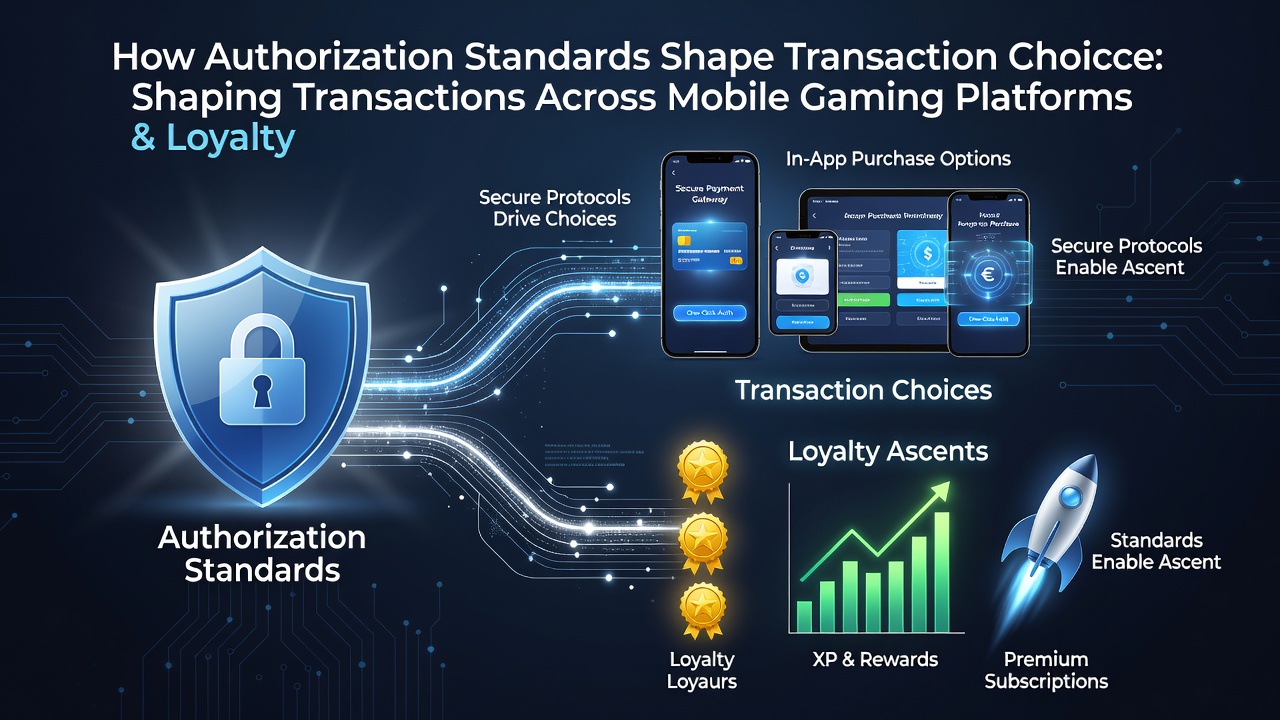
Authorization standards establish verification layers that mobile gaming operators must apply before processing deposits, withdrawals, or bonus activations, and these protocols directly determine which payment instruments users can access at any given time. Regulatory bodies require identity confirmation, address validation, and source-of-funds checks that integrate with banking systems, so platforms restrict options such as certain e-wallets or cryptocurrency transfers until full compliance occurs. Data from the Malta Gaming Authority shows that licensed operators in Europe completed over 2.4 million authorization reviews in the first half of 2026, resulting in measurable shifts toward verified bank transfers and prepaid vouchers over unverified digital wallets.
These verification steps create distinct transaction pathways because platforms configure their systems to approve only those methods that carry built-in compliance reporting. Users who complete initial authorization quickly gain access to instant deposit limits that rise in stages, whereas partial verification keeps daily caps low and blocks certain withdrawal channels entirely. Industry reports indicate that average deposit completion times dropped by 18 percent on platforms that streamlined multi-factor authorization during the spring of 2026, yet withdrawal processing still averaged 24 to 72 hours depending on the tier of verification reached.
Transaction Choices Shaped by Compliance Requirements
Payment method availability narrows when authorization standards demand real-time bank validation or third-party identity scoring. Platforms therefore prioritize methods such as regulated e-wallets and direct bank transfers that transmit verification data automatically, while limiting or excluding options that require manual document uploads after the fact. A study released by the Nevada Gaming Control Board in August 2026 documented that 67 percent of mobile users in regulated US markets selected bank-linked methods after encountering initial authorization prompts, compared with 41 percent prior to the updated verification rules.
Transaction speed and fee structures also reflect authorization depth. Platforms that apply tiered authorization grant fee-free withdrawals only after users pass secondary address and income checks, and they route higher-value transfers through slower but fully audited channels. Observers note that these rules encourage users to maintain verified profiles across multiple platforms, because switching devices or regions triggers fresh authorization sequences that reset spending limits until confirmation completes.
Loyalty Tier Advancement Tied to Authorization Status
Loyalty programs evaluate authorization completion as a prerequisite for tier advancement, so players must maintain continuous verified status to unlock higher reward brackets. Platforms track authorization timestamps alongside wagering activity, and many systems automatically pause point accumulation when verification documents expire or when secondary checks flag inconsistencies. Research published by the University of Nevada, Reno in mid-2026 found that users who sustained full authorization across a twelve-month period reached mid-tier status 2.3 times faster than those who experienced verification lapses.
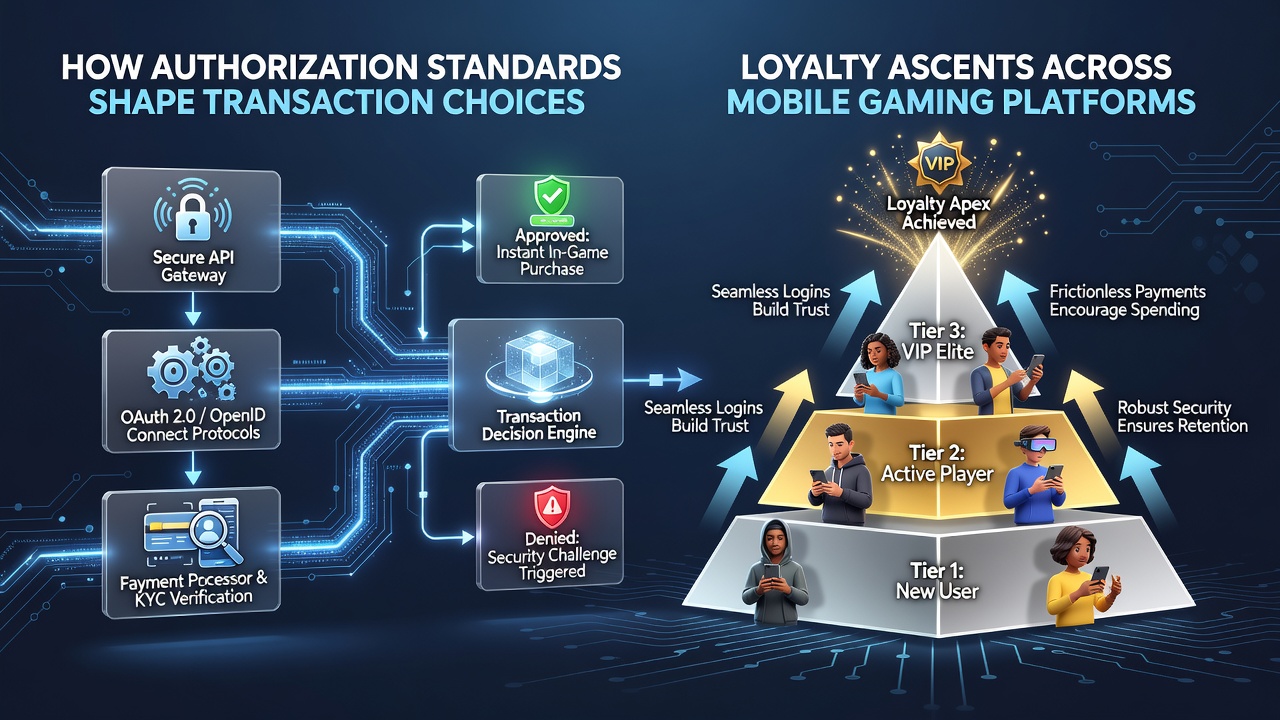
Bonus eligibility further depends on authorization continuity. Operators withhold tailored promotions and personalized free-spin allocations until users complete ongoing identity reaffirmation cycles, which typically occur every six months. Those who meet the criteria receive accelerated tier movement that includes higher cashback percentages and dedicated account management, while incomplete authorization freezes progression regardless of total wagering volume. Figures from the Australian Communications and Media Authority reveal that platforms enforcing synchronized authorization and loyalty tracking recorded a 29 percent increase in tier upgrades during the second quarter of 2026.
Regional Variations in Authorization Impact
European markets apply centralized authorization databases that allow operators to share verification status, reducing redundant checks and enabling smoother cross-platform loyalty transfers. In contrast, North American jurisdictions often maintain separate state-level systems that require fresh authorization for each licensed operator, lengthening the path to loyalty benefits. Canadian regulators introduced unified digital identity standards in August 2026 that shortened average verification windows by 35 percent for interprovincial users, demonstrating how policy alignment influences both transaction flexibility and reward access.
Asia-Pacific operators face additional layers when local banking rules intersect with gaming authorization mandates. Platforms must reconcile national payment gateway requirements with gaming-specific identity protocols, which frequently results in segmented loyalty structures where certain tiers remain inaccessible until users satisfy both sets of rules. Industry analyses show that these dual-authorization environments produce higher abandonment rates during initial deposits, yet they also correlate with elevated retention once users complete the full verification sequence.
Conclusion
Authorization standards function as gatekeepers that determine available transaction routes and the pace at which users ascend loyalty structures across mobile gaming platforms. Compliance requirements steer payment selections toward verified channels, impose staged limits until full confirmation, and serve as measurable milestones within loyalty algorithms. Data released through August 2026 continues to illustrate how these frameworks produce consistent patterns in user behavior, platform design, and regional regulatory outcomes without regard to individual preferences or market speculation.