Connected Loyalty Networks Merging Mobile Play and Progressive Table Games in Regulated Casino Worlds
Ben Vogel · Jun 2, 2026
Connected Loyalty Networks Merging Mobile Play and Progressive Table Games in Regulated Casino Worlds
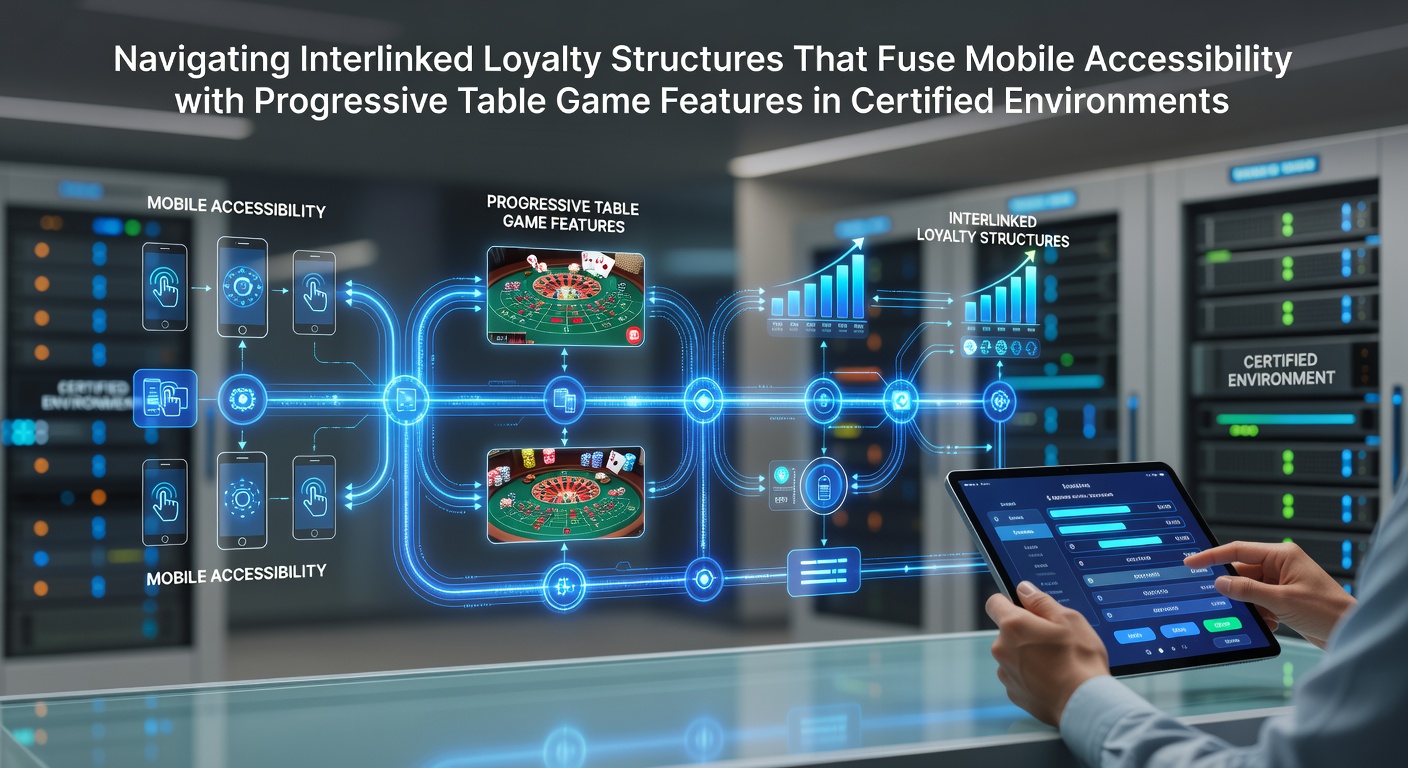
Operators in certified gaming environments continue to develop interlinked loyalty structures that combine mobile accessibility with progressive table game features, and these systems allow players to accumulate rewards across devices while engaging with evolving game mechanics such as accumulating jackpots and tiered bonuses. Data from regulatory reports indicate that adoption rates for such integrated platforms reached notable levels by early 2026, with mobile sessions accounting for over 60 percent of table game activity in several licensed markets.
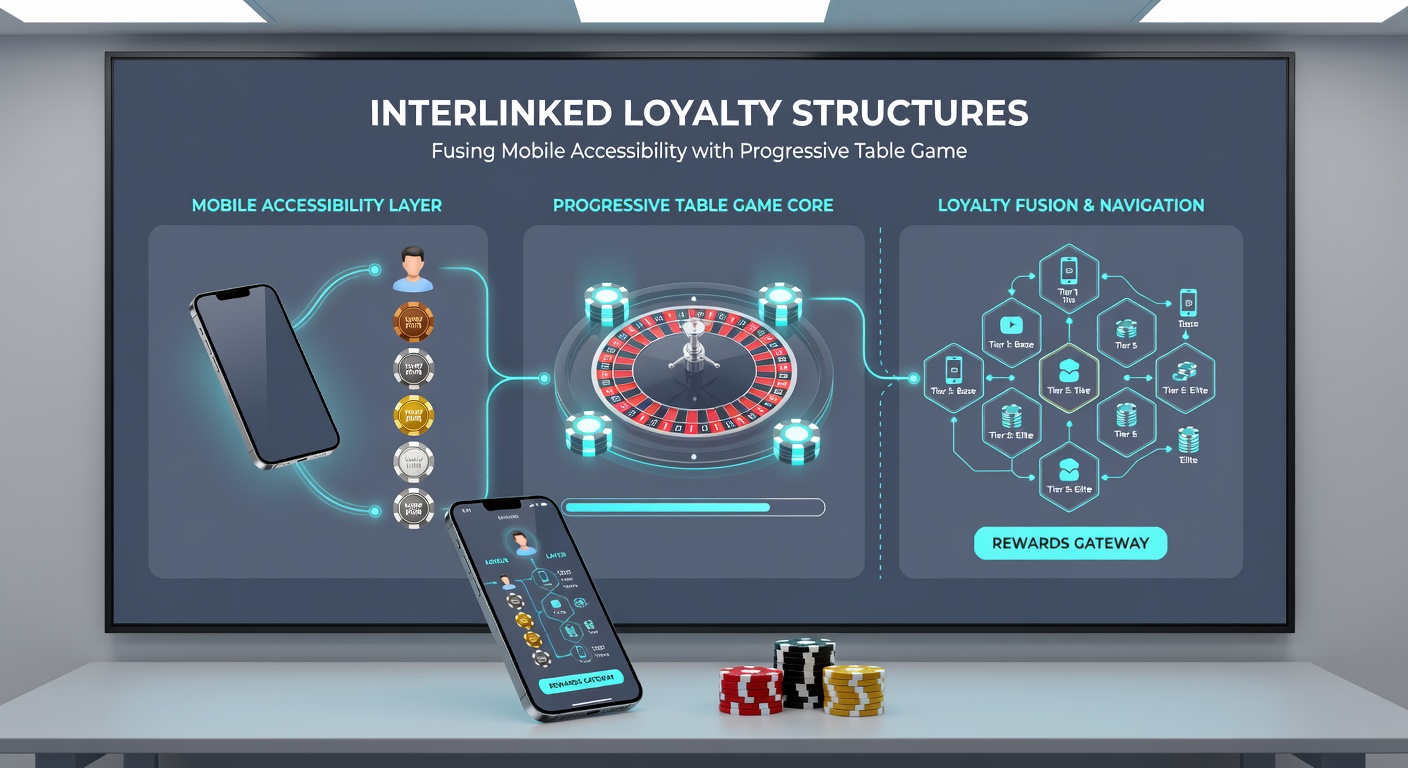
These loyalty frameworks operate through centralized accounts that track player activity in real time, and they link deposits, wagers, and session durations directly to reward multipliers that apply across both slot and table offerings. In practice, a player who completes a sequence of progressive blackjack hands on a mobile app receives points that automatically feed into a broader tier system, unlocking benefits like reduced house edges or exclusive live dealer access.
Core Components of Interlinked Loyalty Structures
Interlinked loyalty structures rely on shared databases that synchronize data between mobile interfaces and on-site terminals, while progressive table game features add layers such as shared jackpot pools that grow with each qualifying bet. Certified operators must comply with standards set by bodies including the Nevada Gaming Control Board, which requires transparent tracking of all reward calculations to prevent discrepancies. Observers note that these requirements have led to standardized APIs that enable seamless point transfers between different game categories.
Progressive elements in table games typically include jackpot triggers tied to specific hand combinations or bet sizes, and when fused with loyalty tracking, they generate additional reward tiers that scale with player status. For instance, a mid-tier member might see an accelerated contribution rate toward a progressive roulette pool after reaching a certain loyalty milestone, and this mechanic encourages continued mobile engagement without separate sign-ins or account switches.
Mobile Accessibility and Its Role in Reward Progression
Mobile accessibility extends these networks by allowing users to monitor loyalty balances and participate in progressive table games from any location within regulatory boundaries, and push notifications alert players when new features or bonus rounds become available. Research conducted by the University of Nevada, Reno in late 2025 documented that mobile-linked loyalty programs experienced a 35 percent increase in session frequency compared to desktop-only alternatives, largely because players could resume interrupted table game progressions instantly on smartphones.
Security protocols in certified environments mandate encryption for all data exchanges between mobile apps and central servers, which protects loyalty point integrity during transfers. Those who've studied these systems report that geofencing technology further ensures compliance by restricting access to approved jurisdictions, and this setup prevents unauthorized accumulation of rewards outside licensed areas.
Progressive Table Game Features Within Certified Settings
Progressive table game features encompass elements like chained bonus rounds and escalating multipliers that build across multiple sessions, and when incorporated into loyalty networks they create pathways for players to advance through status levels based on cumulative contributions. According to figures released by the American Gaming Association in June 2026, table games with progressive components represented approximately 22 percent of total mobile gaming revenue in regulated U.S. markets during the preceding quarter.
Operators implement these features through algorithmic adjustments that scale difficulty and reward potential according to loyalty tier, ensuring that higher-status players encounter more frequent triggers for jackpot contributions. This approach maintains regulatory fairness while providing structured progression that ties directly to account activity tracked via mobile devices.
Integration Challenges and Regulatory Oversight
Integration of these elements presents technical demands around data compatibility and real-time synchronization, yet certified environments address them through audited software updates that occur at regular intervals. External audits by independent firms verify that loyalty calculations remain consistent across mobile and progressive table interfaces, reducing the risk of point discrepancies that could affect player trust.
Geographic variations in oversight mean that systems developed for one jurisdiction may require modifications before deployment elsewhere, and Canadian provincial regulators have issued guidelines emphasizing clear disclosure of how mobile activity influences progressive jackpot eligibility. Those who've examined cross-border implementations note that such adjustments often involve localized testing periods lasting several weeks.
Future Developments in Loyalty and Game Fusion
Industry reports project continued refinement of these fused systems through the remainder of 2026, with emphasis on enhanced analytics that predict player preferences and adjust progressive feature availability accordingly. Mobile platforms are expected to incorporate more granular controls for loyalty point allocation, allowing users to direct rewards toward specific table game progressions if desired.
Certified operators continue to collaborate with technology providers to expand compatibility with emerging devices while preserving compliance with established standards. This ongoing work supports stable growth in mobile table game participation across regulated markets.
Conclusion
Interlinked loyalty structures that fuse mobile accessibility with progressive table game features represent a structured evolution in certified gaming environments, supported by regulatory frameworks and technical standards that ensure transparency and fairness. Data from multiple sources confirm measurable adoption and revenue contributions tied to these integrated approaches, while oversight mechanisms maintain operational integrity across jurisdictions.