Global Loyalty Tiers Drive Shifts in Frequent Player Game Preferences
David Müller · Jun 6, 2026

Global Loyalty Tiers Drive Shifts in Frequent Player Game Preferences
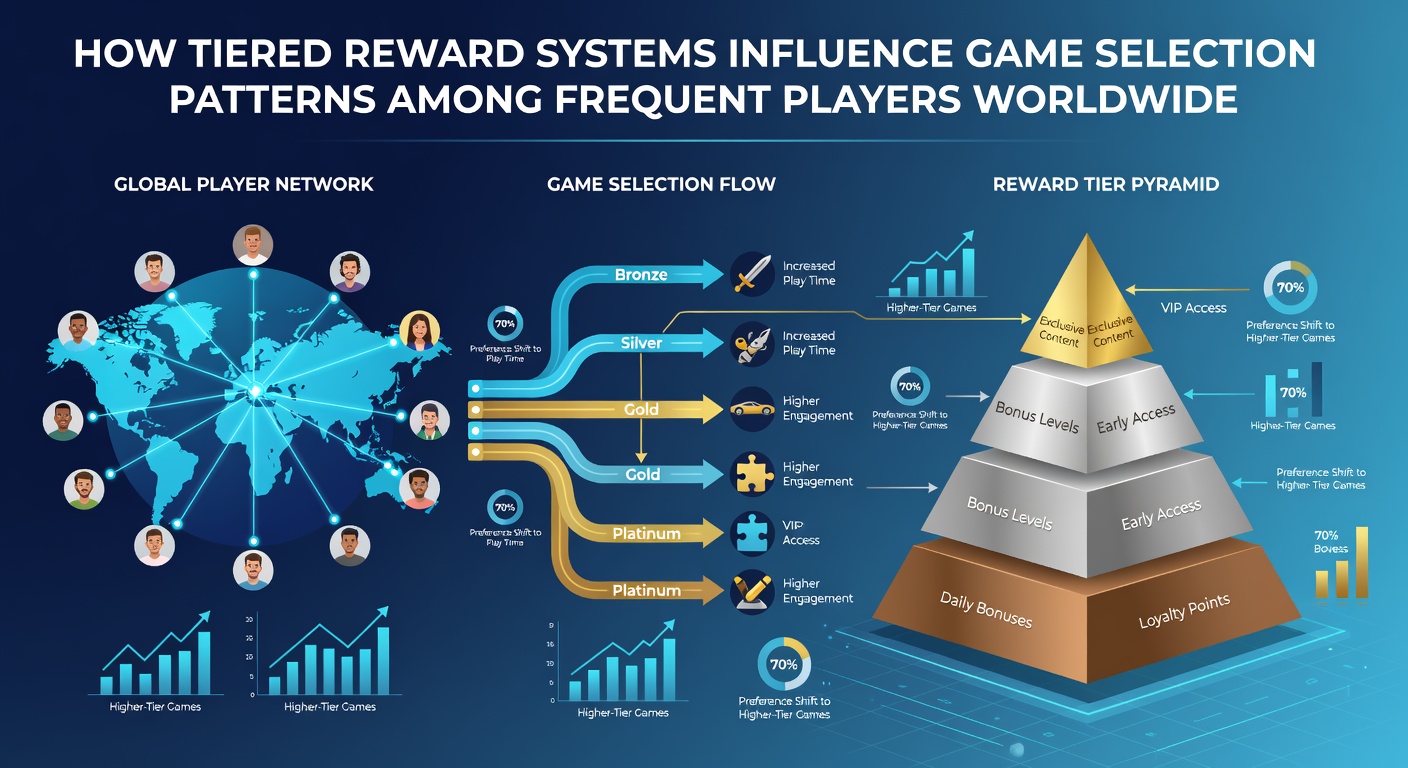
Tiered reward systems operate across regulated gaming markets worldwide and they shape the choices frequent players make when selecting games. These structures assign players to levels based on activity metrics such as wagering volume and session frequency while unlocking escalating benefits including cashback percentages, personalized promotions, and priority access to new releases. Data collected by industry analysts indicate that participants at higher tiers gravitate toward specific game categories that align with point accumulation rules and bonus wagering conditions.
Research from academic institutions shows consistent patterns emerge when players advance through loyalty brackets. Individuals at entry levels often explore a broad mix of slots and table games yet those who reach mid-tier status begin concentrating activity on titles that deliver faster point accrual. Higher brackets see further specialization because reward multipliers favor certain mechanics like multi-line configurations or live dealer formats that carry elevated contribution rates toward tier maintenance.
Mechanics Behind Tier Progression and Game Contribution Rules
Operators define contribution percentages that determine how much play on each game type counts toward tier advancement. Slots typically contribute 100 percent of wagers while certain table games such as blackjack may contribute only 10 to 20 percent depending on the jurisdiction. Players who monitor these ratios adjust selections accordingly because efficient progression preserves access to premium perks. Reports compiled by regulatory bodies in multiple regions confirm that frequent participants review these tables before committing extended sessions.
Figures from North American markets reveal that players who achieve gold or platinum status increase their proportion of play on high-volatility slots by measurable margins compared with lower-tier counterparts. This shift occurs because those games often pair with accelerated point bonuses during promotional windows. In contrast Australian data tracked through state-licensed venues highlight stronger movement toward live roulette variants once players enter top reward brackets since those formats carry favorable contribution weights and extended bonus validity periods.
Regional Variations in Selection Patterns
European operators apply tier structures that incorporate both online and land-based activity yet the resulting preferences differ from patterns observed in Asia-Pacific jurisdictions. Canadian provincial frameworks for example demonstrate that mid-tier players favor progressive jackpot slots to chase cumulative rewards while maintaining steady point growth. European markets on the other hand show elevated engagement with video poker titles among frequent participants because these games balance risk with consistent tier credit accrual.
Studies conducted by research centers in Singapore and Macau document similar dynamics where high-tier members allocate larger shares of playtime to baccarat derivatives that include loyalty multipliers. These adjustments reflect local regulatory stipulations on game weighting and they produce observable clustering around formats that optimize both entertainment value and reward velocity. Observers note that such specialization stabilizes across player cohorts once tier thresholds are crossed.
Data Trends Observed Through June 2026
Industry reports compiled as of June 2026 show continued expansion of tiered programs across newly regulated markets in Latin America and additional Canadian provinces. Participation metrics indicate that players who sustain activity for twelve consecutive months demonstrate pronounced narrowing of game portfolios once they surpass the third tier. This narrowing correlates with published contribution matrices that reward volume on designated categories.
Academic analyses from university-affiliated gambling research units further establish that reward visibility influences initial game trials among frequent players. When operators highlight tier-exclusive events tied to specific titles the uptake of those games rises measurably within the target cohort. Such campaigns operate alongside standard loyalty tracking and they reinforce existing selection tendencies without altering underlying contribution formulas.
Impact on Long-Term Engagement Metrics
Longitudinal tracking conducted by international gaming associations reveals that tier stability correlates with reduced game variety among frequent participants. Individuals who maintain platinum or diamond status exhibit loyalty to two or three core titles that maximize both reward efficiency and session duration. This concentration appears across multiple operator databases yet it varies according to the weighting policies enforced by local authorities.
Regulatory filings from the Nevada Gaming Control Board alongside parallel documentation from the Australian Communications and Media Authority illustrate parallel outcomes in their respective jurisdictions. Players who reach upper tiers allocate greater session time to formats that incorporate loyalty accelerators because these choices sustain access to exclusive events and accelerated cashback schedules. The resulting patterns remain consistent even when operators introduce new game releases.
Conclusion
Tiered reward systems continue to steer game selection among frequent players by aligning benefit structures with contribution weights and promotional multipliers. Worldwide data sets demonstrate that advancement through loyalty brackets produces measurable specialization toward game types that optimize tier progression. These dynamics persist across regulatory environments because operators calibrate rewards to balance player retention with compliance requirements. Patterns observed through mid-2026 indicate that such influences will remain integral to player behavior in expanding markets.