High Stakes Evolution: UK Casinos Ride Waves of Tech, Rules, and Player Shifts
Willa Schmid · Mar 31, 2026
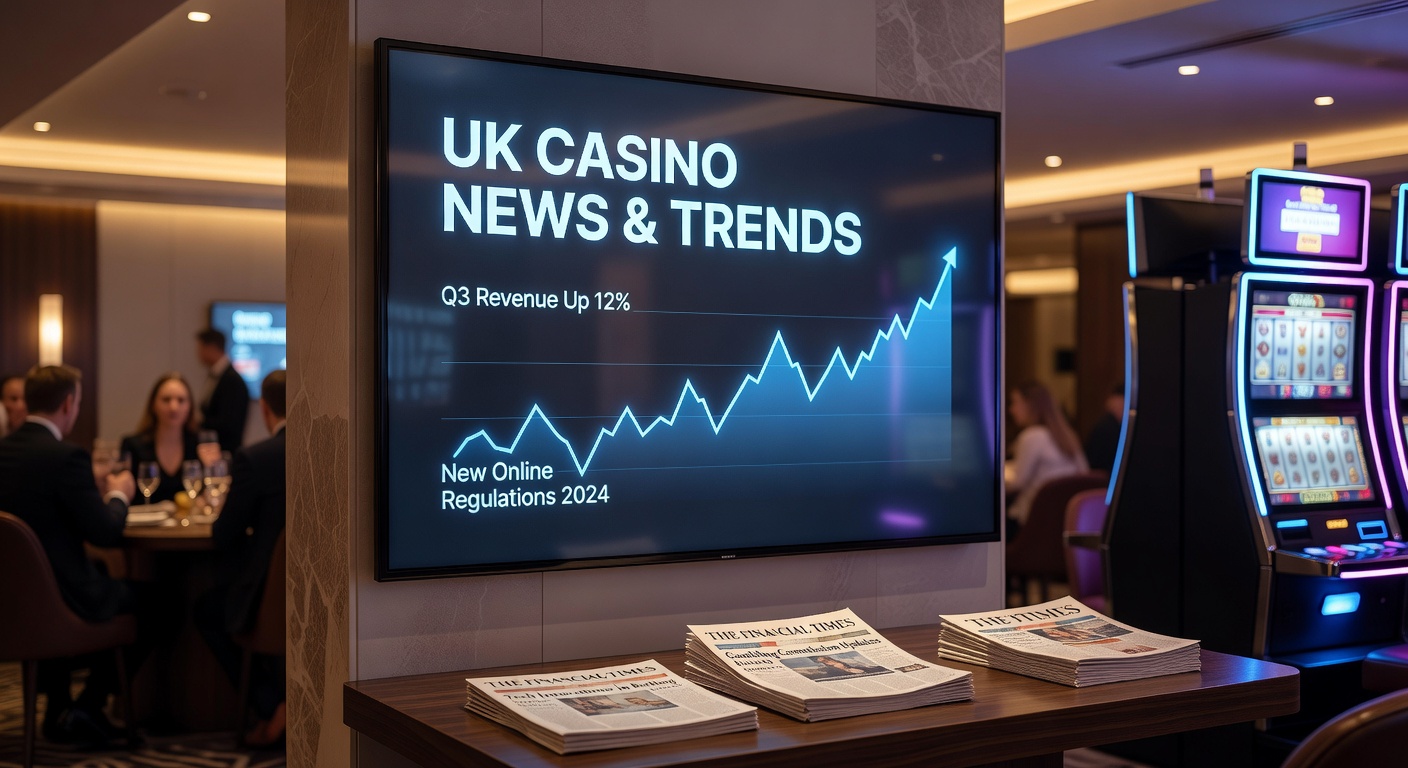
UK Gambling Commission Rolls Out Updated Notice for Casinos Offering Money Services Like Cheque Cashing and Currency Exchange
The Latest from the UKGC: A Focused Update on 26 March 2026
On 26 March 2026, the UK Gambling Commission (UKGC) released an updated notice targeting UK casinos that provide money service business (MSB) activities, such as third-party cheque cashing or foreign currency exchange; operators now face a strict requirement to notify the Commission within ten days of either starting or stopping these services, ensuring regulators stay informed about changes in real time.
This move builds directly on a prior notice issued on 9 February 2026, refining procedures while emphasizing compliance; casinos must email specific details—including their full name, licence number, the exact date of the change, and the type of MSB service involved—to msb@gamblingcommission.gov.uk, a streamlined process designed to track these ancillary operations efficiently.
What's interesting here is how the update reinforces existing rules under The Payment Services Regulations 2017, reminding operators that MSB activities demand separate authorisation or registration with the Financial Conduct Authority (FCA), preventing any overlap between gambling licences and financial services without proper oversight.
Breaking Down Money Service Businesses in the Casino World
Casinos in the UK have long offered services like cheque cashing—where players convert winnings or personal cheques into cash—or foreign currency exchange to accommodate international visitors, conveniences that blur the line between gaming floors and financial hubs; these fall under MSB definitions because they involve transmitting money or currency for third parties, activities regulated to curb money laundering and illicit finance flows.
Experts who track gambling regulations note that such services, while handy for high-rollers jetting in from abroad or locals avoiding bank queues, expose operators to heightened scrutiny; data from regulatory bodies shows MSBs handled billions in transactions annually across sectors, and casinos represent a niche but vulnerable segment where cash-heavy environments could attract bad actors if unchecked.
Take one scenario researchers have outlined: a casino starts offering euro-to-pound exchanges during peak tourist seasons, boosting footfall yet triggering MSB status immediately; under the new notice, that operator submits notification within ten days, detailing the service type and start date, while securing FCA registration separately to stay compliant.
Key Requirements: What Casinos Must Do Now
The updated notice spells out precise steps clearly; casinos identify MSB activities on their premises—like cashing cheques from external parties or exchanging currencies beyond basic needs—and report any initiation or cessation via the dedicated email, including all mandated details without delay, since the ten-day window leaves little room for oversight.
And it's not just new starts; operators winding down these services, perhaps due to cost pressures or regulatory shifts, must notify equally promptly, helping the UKGC maintain an accurate map of MSB prevalence in the sector; this bidirectional reporting closes loops that earlier guidelines might have left open.
Those who've studied compliance frameworks point out the email format simplifies submissions—no portals or forms yet, just straightforward details sent to msb@gamblingcommission.gov.uk—yet operators can't afford slip-ups, as failure to notify could invite enforcement actions alongside existing licence conditions.

Context from the February 2026 Notice and Broader AML Ties
Building on the 9 February 2026 notice, which first flagged MSB obligations for casinos, the March update sharpens focus amid ongoing anti-money laundering (AML) efforts; that earlier alert, linked to the UKGC's AML notices page, urged similar transparency, but the refresh adds the ten-day deadline and explicit email protocol, responding to operator feedback or internal reviews.
Turns out, this aligns with wider regulatory pushes; the UKGC's licensee resources emphasize how gambling businesses intersect with financial regs, and casinos providing MSBs must navigate dual oversight—UKGC for gaming integrity, FCA for payment safeguards—under The Payment Services Regulations 2017, which classify these as safeguarded activities requiring formal nods.
Observers familiar with the landscape recall cases where unchecked cheque cashing led to AML probes, prompting bodies like the UKGC to tighten nets; now, with notifications centralized, regulators gain visibility faster, potentially flagging patterns across venues.
So, a casino in London or Manchester introducing currency exchange for Asian tourists emails details post-launch, copies FCA status, and keeps records; if they halt it mid-year due to low uptake, another notification follows, all feeding into national MSB monitoring.
Why This Matters for Operators and the Industry
Casinos weigh these services carefully now, as the notice underscores separation from core gambling ops; data indicates many land-based venues still offer them—think bustling cheque counters near roulette wheels—but digital shifts and e-wallets erode demand, leading some to stop and notify accordingly.
Here's where it gets interesting: non-compliance risks compound, since UKGC licences already mandate AML adherence, and MSB lapses could trigger fines or suspensions; figures from past enforcement reveal penalties in the millions for financial breaches, making ten-day reports a small price for peace of mind.
People in the sector often discover that proactive notification not only fulfills duties but aids audits; one expert analysis of similar regs showed compliant firms faced fewer inspections, freeing resources for player experiences like enhanced slots or tables.
Yet the reality is dual registration burdens FCA queues, where applications detail safeguards like transaction monitoring and risk assessments; casinos submit these alongside UKGC updates, creating a compliance rhythm that's become standard in March 2026's regulatory climate.
Navigating FCA Authorisation Alongside UKGC Rules
The Payment Services Regulations 2017, transposed from EU directives yet firmly UK law post-Brexit, demand FCA authorisation for MSBs; this involves proving robust systems for customer due diligence, suspicious activity reporting, and fund protection, processes casinos adapt from their own AML programs.
But here's the thing—casinos can't rely on gambling licences alone; the notice reminds them explicitly, quoting regs that exempt only narrow in-house activities, not third-party services drawing external custom.
Researchers who've dissected FCA data note approval timelines stretch months, with rejection rates hovering around 20% for incomplete apps; thus, operators plan ahead, notifying UKGC while pursuing FCA status, ensuring seamless ops.
Consider a regional casino chain: it launches cheque cashing in March 2026, emails UKGC on day five with licence details and service specs, then advances FCA filing; by summer, full dual-compliance locks in, or they notify cessation if plans pivot.
Industry Patterns and Future Compliance Trends
Across UK casinos, MSB uptake varies—urban spots with global crowds lean in, while rural ones opt out—yet the notice levels the field, mandating uniform reporting; stats from UKGC licensee guides suggest fewer than 20% engage heavily, but all must monitor.
Now, with March 2026's update fresh, operators audit services internally, training staff on MSB triggers like non-player cheques or spot exchanges; this proactive stance, experts observe, dovetails with broader trends like digital payments sidelining cash ops.
What's significant is the email's dedicated address—msb@gamblingcommission.gov.uk—signals priority monitoring, potentially birthing dashboards or alerts for regulators; those tracking patterns predict quarterly summaries, aiding sector-wide AML fortification.
And while the notice stays narrow—focusing casinos only—parallels emerge in bingo halls or tracks, hinting at expansions; for now, though, land-based casinos shoulder this as March unfolds.
Conclusion
The UKGC's 26 March 2026 updated notice crystallizes expectations for casinos handling MSBs, from ten-day notifications via email to FCA reminders under 2017 regs; building on February's foundation, it equips operators with clear paths while bolstering oversight in cash-rich environments.
Casinos submit full names, licence numbers, change dates, and service types promptly, staying ahead of risks; experts anticipate smoother compliance as venues adapt, contributing to a regulated landscape where gaming thrives sans financial shadows.
In this evolving March 2026 scene, the ball's squarely in operators' courts—notify, register, repeat—and the industry watches how quickly these rules embed into daily rhythms.