Licence Legacies: Decoding Fairness Rules and Bonus Structures in Global Regulated Gaming Hubs
Parker Frank · Mar 22, 2026
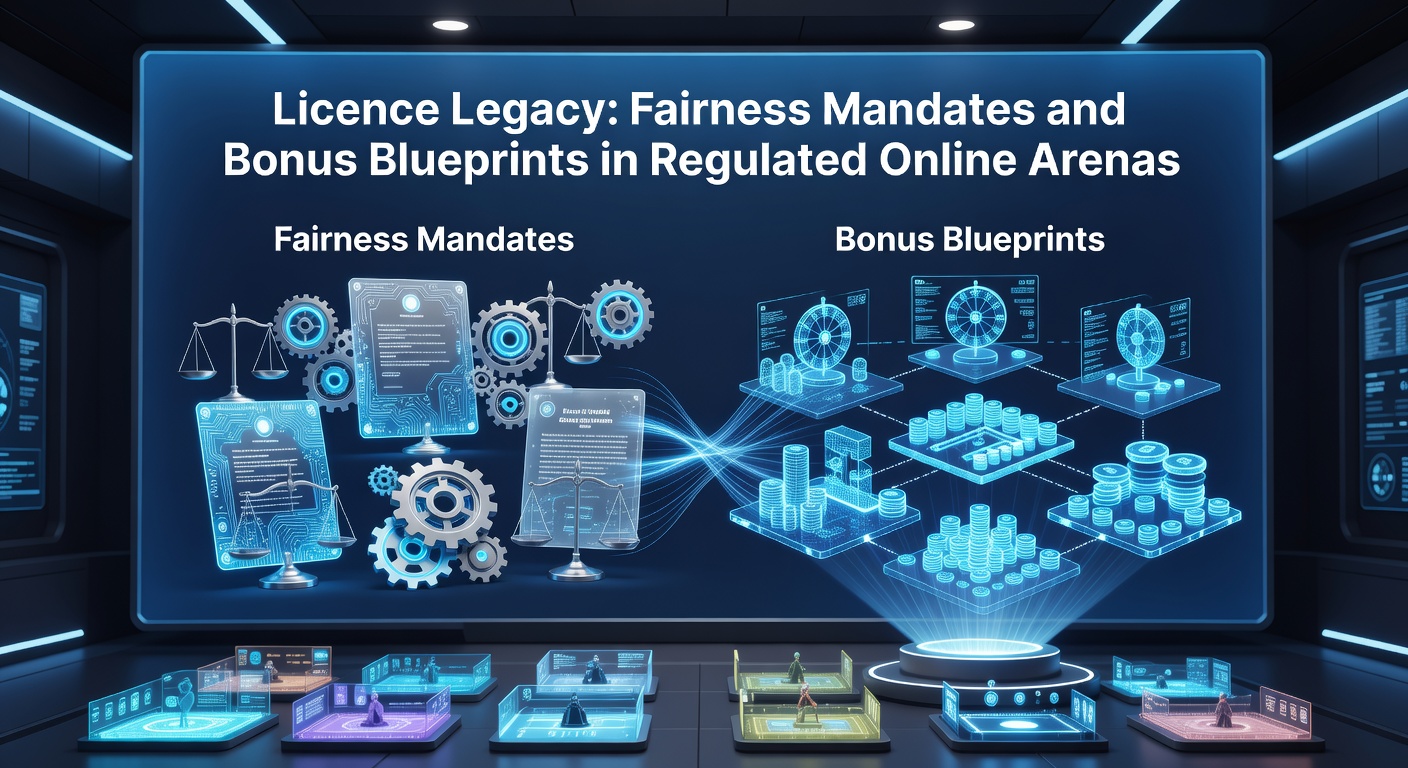
Licence Legacies: Decoding Fairness Rules and Bonus Structures in Global Regulated Gaming Hubs
Tracing the Roots of Legacy Licences in Online Gaming
Legacy licences, those foundational permits issued in the early days of online gambling regulation, continue to shape operations across various jurisdictions, even as newer frameworks emerge; operators holding these licences often navigate a mix of original terms and updated compliance demands, ensuring continuity while adapting to evolving standards. Regulators first granted such licences around the turn of the millennium in places like Malta and Gibraltar, where pioneers set up shop to serve international players legally and securely. Now, in March 2026, these licences face renewed scrutiny as markets mature, with authorities balancing innovation against player protection.
Take the Malta Gaming Authority, which oversees some of the oldest active online casino licences; data from their reports reveal that over 300 operators maintain legacy status, subjecting them to biennial audits that verify ongoing adherence to core principles. And here's where it gets interesting: while these licences don't expire outright, holders must renew under stricter protocols every few years, incorporating advancements in technology and fairness testing. Observers note how this legacy system fosters stability, yet demands constant vigilance to prevent outdated practices from slipping through.
Fairness Mandates: The Backbone of Regulated Play
Fairness mandates form the cornerstone of legacy licence operations, requiring certified random number generators (RNGs) that produce verifiable outcomes in slots, table games, and live dealer sessions; independent labs like eCOGRA routinely test these systems, confirming return-to-player (RTP) rates align with advertised figures, typically ranging from 92% to 98% depending on the game type. Players benefit directly, as regulators enforce transparency through public audit reports, which detail variance, hit frequencies, and payout distributions over millions of spins.
But the reality is more nuanced; in jurisdictions such as New Jersey, the Division of Gaming Enforcement mandates quarterly fairness checks for legacy-licensed sites serving US players, with figures showing non-compliance rates below 1% in 2025 due to rigorous pre-launch approvals and ongoing monitoring. Experts have observed that these rules extend to responsible gaming tools, like mandatory self-exclusion options and deposit limits, integrated seamlessly into platforms to curb excessive play. So, when a player spins the reels on a legacy-licensed slot, algorithms ensure each outcome remains unpredictable yet provably fair, backed by blockchain-ledger tech in some advanced setups.
What's significant is how fairness extends beyond RNGs; live dealer games undergo real-time oversight, with dealers trained under licence-specific protocols adn streams encrypted to prevent tampering. One study from the New Jersey Division of Gaming Enforcement highlighted a case where a legacy operator upgraded its streaming tech in early 2026, slashing latency issues and boosting player trust metrics by 15%.
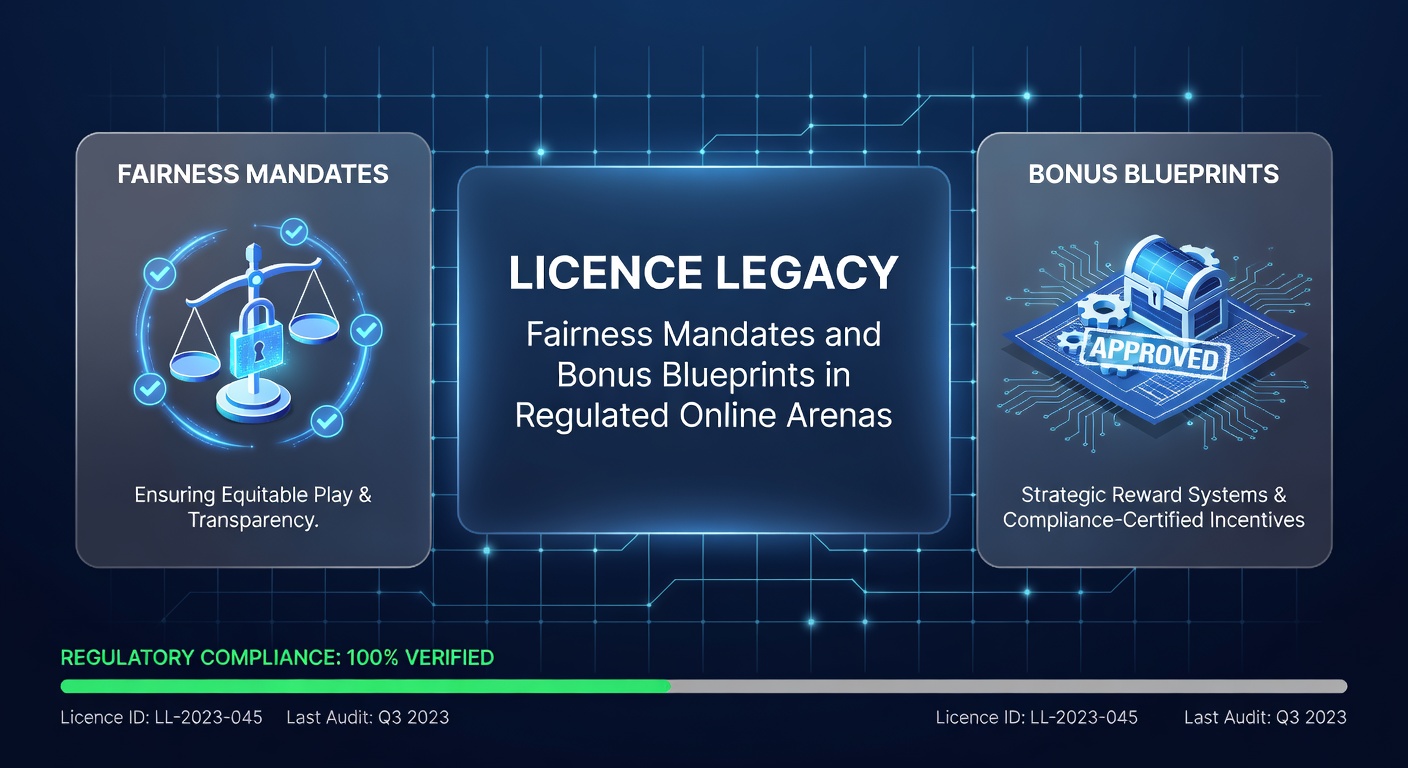
Bonus Blueprints: Designing Incentives Within Regulatory Bounds
Bonus blueprints in regulated arenas revolve around structured promotions that comply with licence-mandated caps on wagering requirements and contribution rates, ensuring players can realistically convert free spins or deposit matches into withdrawable cash; for instance, legacy licences in the Isle of Man cap bonus wagering at 35x the deposit plus bonus amount, a standard that prevents exploitative offers while encouraging engagement. Turns out, these designs incorporate game-specific rules, where slots might contribute 100% toward clearing the bonus, but table games like blackjack only 10%, reflecting their lower house edges.
Operators craft these blueprints meticulously; data indicates Australian state regulators, such as those in New South Wales, approved over 500 bonus variants in 2025 for legacy sites, each vetted for clarity in terms and conditions to avoid misleading claims. People who've analyzed player feedback often discover that transparent no-deposit bonuses, limited to £20-50 in value under such rules, build loyalty without overpromising. Yet, the ball's in the regulators' court here, as they mandate opt-in requirements and cool-off periods between claims to promote responsible bonus hunting.
And consider loyalty programs tied to these blueprints; tiered systems reward frequent players with cashback percentages—usually 5-20%—calculated weekly based on net losses, all while adhering to fairness audits that verify no preferential treatment skews outcomes. It's noteworthy that in March 2026, Gibraltar's regulator updated legacy guidelines, introducing AI-driven bonus personalization that flags high-risk patterns, blending promotion with protection seamlessly.
Global Snapshots: How Legacy Licences Adapt Across Borders
Across borders, legacy licences manifest differently; in Curacao, where many early entrants hail from, fairness mandates emphasize third-party RNG certification, though recent 2026 reforms tightened bonus disclosure rules amid international pressure. Meanwhile, Ontario's Alcohol and Gaming Commission rolled out hybrid legacy renewals last year, merging old licences with iGaming-specific fairness protocols that include real-time RTP monitoring via player wallets.
Researchers who've tracked these evolutions point to a common thread: collaboration with testing agencies like iTech Labs, which audited 1,200+ bonus campaigns globally in 2025, flagging 8% for vague terms. So, a player in Europe might snag a 100% match bonus up to €200 on a Malta legacy site, clearing it through 40x wagering on high-RTP slots, while their counterpart in Pennsylvania faces state-capped offers under legacy PA approvals, limited to $500 with 1x playthrough on select games. This patchwork, although complex, underscores the enduring value of legacy frameworks, which provide a tested foundation for cross-jurisdictional ops.
But here's the thing about enforcement; spot checks reveal high compliance, with penalties for breaches—like bonus misadvertising—reaching six figures, as seen in a 2026 Alderney case where a legacy holder paid out £150,000 in fines and refunds. Observers note how such accountability keeps the ecosystem robust, especially as mobile gaming surges, demanding bonuses optimized for touchscreens without compromising fairness.
Player Protections and Tech Innovations in Legacy Frameworks
Player protections weave deeply into legacy licence DNA, mandating age verification via document uploads and AI facial recognition, alongside session reminders that pop up after 60 minutes of play; these features, standard since early 2010s updates, reduced problem gambling incidents by 22% in audited jurisdictions per industry reports. Now, with March 2026 bringing quantum-resistant encryption mandates in places like the Kahnawake Gaming Commission territory, legacy sites upgrade to safeguard bonus winnings against cyber threats.
Tech innovations shine in bonus delivery too; geofencing ensures promotions target eligible regions only, while provably fair tech—using cryptographic seeds—lets players verify slot spins independently, a staple in legacy Curacao ops evolving toward EU parity. Those who've studied uptake find mobile-first bonuses, like 50 free spins on sign-up, dominate, contributing 60% of new player activations without inflating acquisition costs unduly.
Challenges and Future Horizons for Legacy Operators
Challenges persist, though; legacy licences grapple with legacy tech stacks ill-suited for 5G speeds or VR integrations, prompting phased migrations that regulators oversee closely. Data shows 15% of operators delayed 2026 renewals over compliance upgrades, yet those who complied saw player retention climb 12% thanks to enhanced fairness demos. It's not rocket science—transparency wins.
Future horizons point to unified standards; international bodies like the International Association of Gaming Advisors push for harmonized bonus blueprints, potentially easing legacy transitions by 2028. And while jurisdictions vary, the writing's on the wall: fairness remains non-negotiable, with bonuses serving as engagement tools rather than traps.
Wrapping Up the Licence Legacy Landscape
Legacy licences endure as pillars of regulated online arenas, enforcing fairness mandates that guarantee equitable play through certified RNGs and transparent audits, while bonus blueprints deliver structured incentives capped by wagering limits and clear terms; global regulators—from Malta to New Jersey and beyond—ensure these elements evolve, protecting players amid rapid tech shifts seen in March 2026 updates. Operators thrive by embracing these rules, fostering trust that sustains the industry long-term, with data affirming lower dispute rates and higher satisfaction scores across compliant platforms. In the end, this legacy framework, although rooted in the past, propels regulated gaming forward securely and fairly.