Mapping Mobile Transaction Routes to Evolving Reward Structures in Live Table Gaming Environments
Ben Vogel · Aug 13, 2026
Mapping Mobile Transaction Routes to Evolving Reward Structures in Live Table Gaming Environments
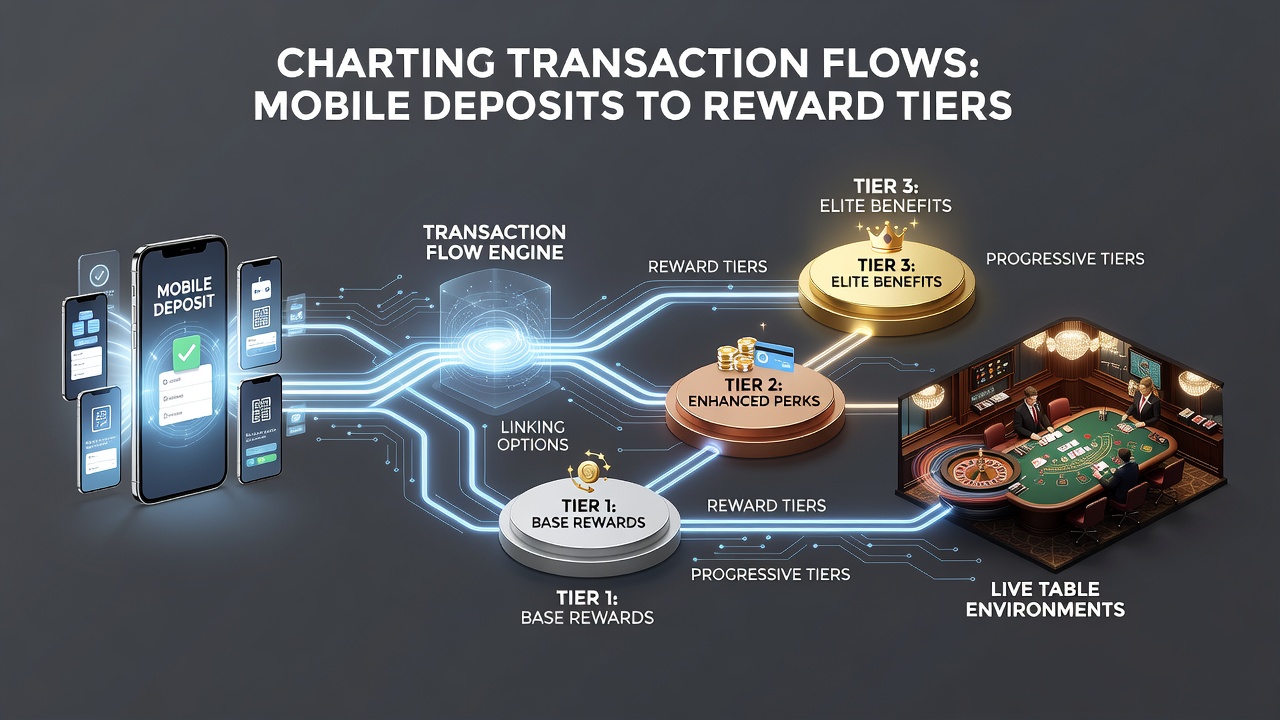
Transaction flows in mobile casino environments connect deposit options directly to progressive reward tiers through integrated payment processors and loyalty management systems, and this linkage operates in live table settings where real-time tracking influences player progression rates. Data from regulated markets indicate that mobile deposits processed via e-wallets or bank transfers trigger immediate point allocations that advance users through tier levels during sessions involving blackjack, roulette, or baccarat tables.
Core Components of Mobile Deposit Integration
Payment gateways handle initial transaction routing by verifying funds and forwarding confirmation signals to central gaming servers, while these servers simultaneously update player profiles with reward points based on deposit volume and frequency. Systems employed by operators in multiple jurisdictions record each mobile deposit as a data event that feeds into algorithms calculating tier eligibility, and observers note that live table environments require additional layers of synchronization because game outcomes and bet sizes also contribute to the same reward calculations.
Researchers at academic institutions have documented how API connections between mobile banking apps and casino platforms reduce latency in point crediting, allowing players to see tier advancements reflected within seconds of completing a deposit. In August 2026, reports from the New Jersey Division of Gaming Enforcement highlighted increased adoption of these integrated flows across licensed platforms, with statistics showing that over 65 percent of live table wagers originated from mobile sessions tied to tiered reward programs.
Progressive Reward Tier Mechanics in Live Settings
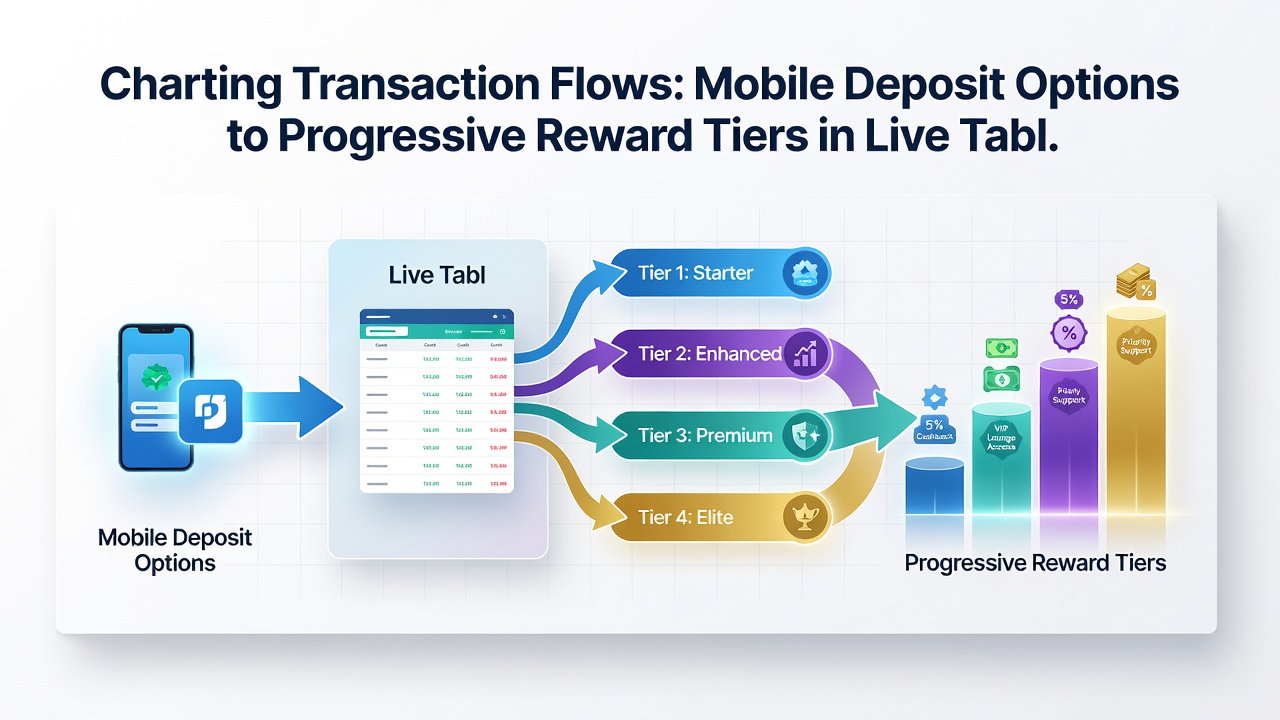
Tier structures typically progress through entry, intermediate, and premium levels where each stage unlocks higher cashback percentages, dedicated table access, or personalized multipliers on live game wagers, and transaction data from deposits determine the speed at which players qualify. Live table environments add complexity because bet tracking occurs continuously during dealer interactions, requiring the system to merge deposit-triggered points with gameplay metrics without interruption.
Industry analyses reveal that operators configure rules so larger mobile deposits accelerate progression by awarding bonus points on top of standard bet contributions, whereas smaller recurring deposits maintain steady advancement through loyalty multipliers. Those who have examined platform architectures find that this dual-input model encourages consistent mobile funding patterns that align with extended live table participation.
Data Pathways and System Synchronization
Central databases aggregate transaction logs from mobile deposits alongside real-time feeds from live dealer interfaces, creating unified records that determine tier status at any moment. Regulatory bodies in various regions require audit trails for these combined data streams to ensure accurate reward distribution, and figures from Canadian provincial oversight agencies demonstrate that synchronized systems cut processing errors by 40 percent compared to segmented legacy setups.
Transaction flows often route through secure tokenization services that protect account details while passing deposit amounts to the loyalty engine, and this process continues uninterrupted even as players switch between multiple live tables. What's interesting is how certain platforms apply conditional logic that boosts tier points when deposits coincide with peak live game hours, creating measurable upticks in player retention metrics according to cross-jurisdictional studies.
Regional Variations in Implementation
European operators licensed under frameworks outside the UK have implemented similar linkages with emphasis on deposit frequency thresholds that unlock live table-specific perks such as private dealer sessions, whereas North American markets focus more on volume-based tier jumps tied directly to mobile funding sources. Academic papers published through university gaming research centers indicate these regional differences stem from varying tax structures and player protection rules that shape how reward algorithms weigh deposit events against table activity.
External reports from the Australian Communications and Media Authority further show that mobile deposit integration with tier systems has expanded operator capabilities for real-time compliance monitoring in live environments, reducing discrepancies between reported and actual player rewards.
Conclusion
Transaction flows that link mobile deposits to progressive reward tiers function through interconnected payment and loyalty platforms that operate continuously in live table settings, delivering point updates based on combined deposit and wagering data. Evidence from regulatory filings and research compilations confirms these mechanisms support structured progression across multiple jurisdictions while maintaining compliance with established standards. Continued refinement of these pathways appears likely as mobile technology and live dealer interfaces evolve together in regulated markets.