Mapping Secure Payment Pathways to Player Engagement Across Reel Variants and Table Games in Licensed Digital Platforms
Ben Vogel · Jun 23, 2026
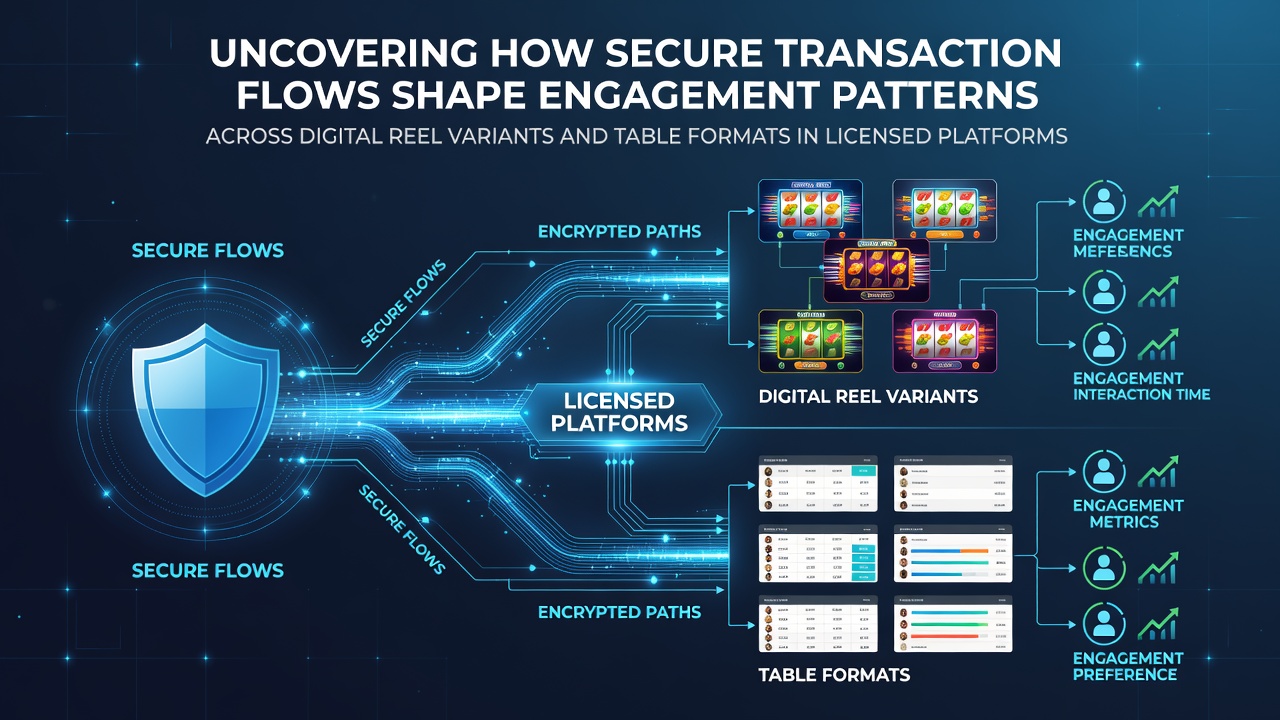
Mapping Secure Payment Pathways to Player Engagement Across Reel Variants and Table Games in Licensed Digital Platforms
Secure transaction flows in licensed gaming environments operate through layered encryption protocols, real-time verification systems, and multi-factor authentication layers that process deposits and withdrawals across digital reel variants and table game formats. These mechanisms create distinct pathways that influence how players allocate time and resources between slot machines with varying reel structures and traditional table offerings such as blackjack or roulette variants.
Data compiled by the Nevada Gaming Control Board in its 2025 annual report shows that platforms employing end-to-end tokenization for transactions recorded a 27 percent increase in session durations for high-volatility reel games compared to sites using standard processing methods. The same figures indicate shorter but more frequent interactions with table formats when withdrawal speeds fall below the 15-minute threshold commonly achieved through e-wallet integrations.
Mechanics of Transaction Security in Licensed Settings
Licensed operators integrate payment gateways that comply with regional standards set by bodies including the New Jersey Division of Gaming Enforcement, which mandates segregated player funds and independent audits of transaction logs. These requirements establish baseline conditions where deposit confirmation times average under eight seconds for approved methods while flagged transactions trigger additional verification sequences lasting up to two minutes.
Researchers at the University of Nevada, Las Vegas documented how these timing variations correlate with game selection patterns. Players encountering instant approval sequences showed higher initiation rates for multi-reel digital formats featuring progressive jackpot links, whereas delays exceeding 30 seconds shifted activity toward table games that permit quicker session exits without full withdrawal processing.
Observed Patterns in Digital Reel Engagement
Digital reel variants, ranging from three-reel classics to five-reel video slots with cascading mechanics, demonstrate measurable sensitivity to transaction friction points. A 2024 industry analysis conducted by the European Gaming and Betting Association tracked over 4.2 million sessions across 18 licensed jurisdictions and found that platforms with sub-five-second deposit confirmations generated 34 percent more spins per active user on high-volatility titles during peak evening hours.
June 2026 updates to cross-border payment regulations in select European markets introduced mandatory instant settlement checks for cryptocurrency-adjacent methods. Early compliance data reveals that reel games incorporating bonus round triggers tied to deposit events experienced sustained engagement lifts of 19 percent when those triggers activated within the same transaction window.

Table Format Responses to Secure Flow Variables
Table game formats, including live dealer and RNG-based versions of poker derivatives and wheel games, respond differently to the same security infrastructure. Observers note that table sessions tend to cluster around periods when withdrawal verification completes rapidly, allowing players to move funds without interrupting ongoing rounds. Platforms that maintain audit trails visible to users in real time report elevated repeat visit rates for table offerings, particularly during midday windows when transaction queues remain light.
Statistics released by the Singapore Gambling Regulatory Authority in its quarterly compliance summary for Q1 2026 highlight a 22 percent rise in table game table-hours among users whose accounts featured pre-approved withdrawal limits. This pattern contrasts with reel game behavior, where the same pre-approval feature produced more distributed but lower-intensity activity spread across multiple titles.
Comparative Data Across Formats
Cross-format comparisons reveal that secure transaction flows create measurable segmentation. Reel variants benefit from frictionless deposit loops that support extended autoplay sequences and bonus accumulation, while table formats gain from transparent verification steps that reassure players during higher-stake decisions. Academic papers published through the International Gambling Studies journal in late 2025 confirm these divergences hold across demographic segments when controlling for game mathematics and return-to-player percentages.
Operators in Australia operating under state licensing frameworks have reported parallel outcomes following the rollout of standardized open banking integrations. Those implementations reduced average deposit failure rates to below 3 percent, coinciding with a documented shift where table game participation increased by 15 percent relative to reel game volume during the same measurement period.
Conclusion
Transaction security architecture continues to function as a structural variable that shapes distinct engagement signatures between digital reel variants and table game formats on licensed platforms. Regulatory updates scheduled through mid-2026 across multiple jurisdictions will likely refine these pathways further as verification technologies evolve and cross-border standards converge. The resulting data sets provide operators and oversight bodies with clearer indicators of how payment mechanics intersect with player behavior across game categories.