Player Pathways and Reward Cycles in Mobile Live Dealer Gaming
Willa Schmid · Jun 16, 2026
Player Pathways and Reward Cycles in Mobile Live Dealer Gaming
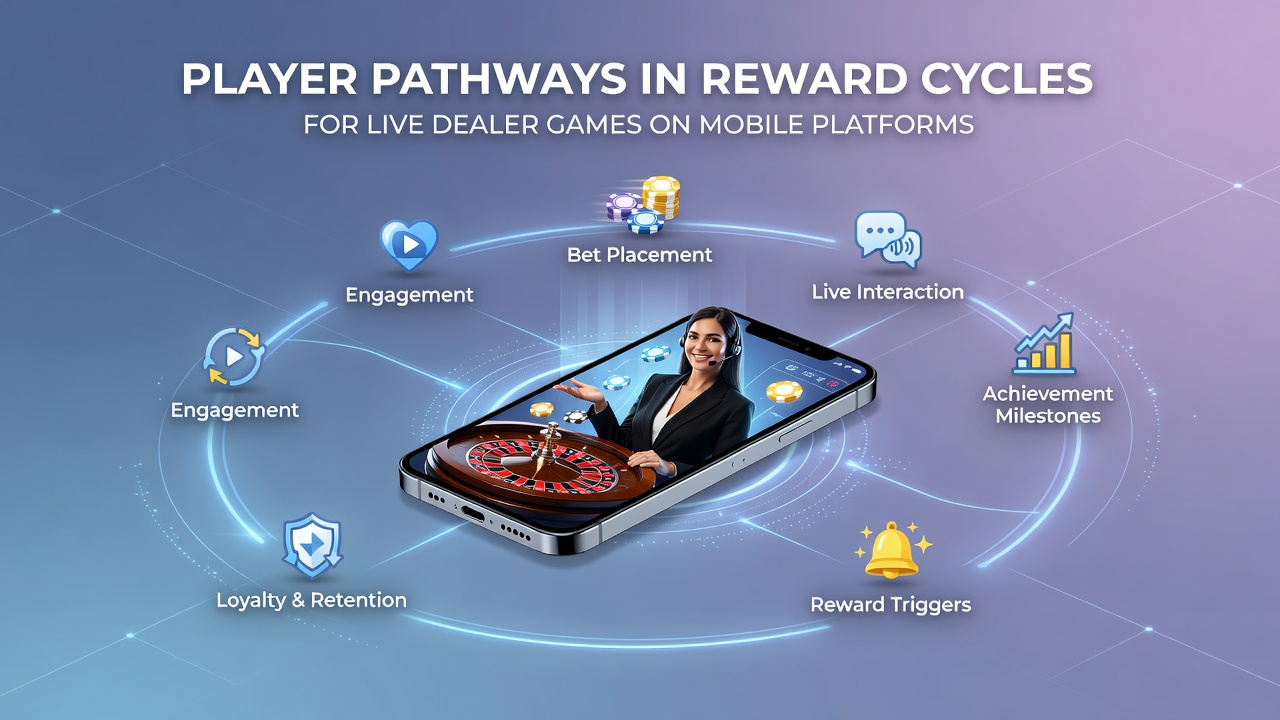
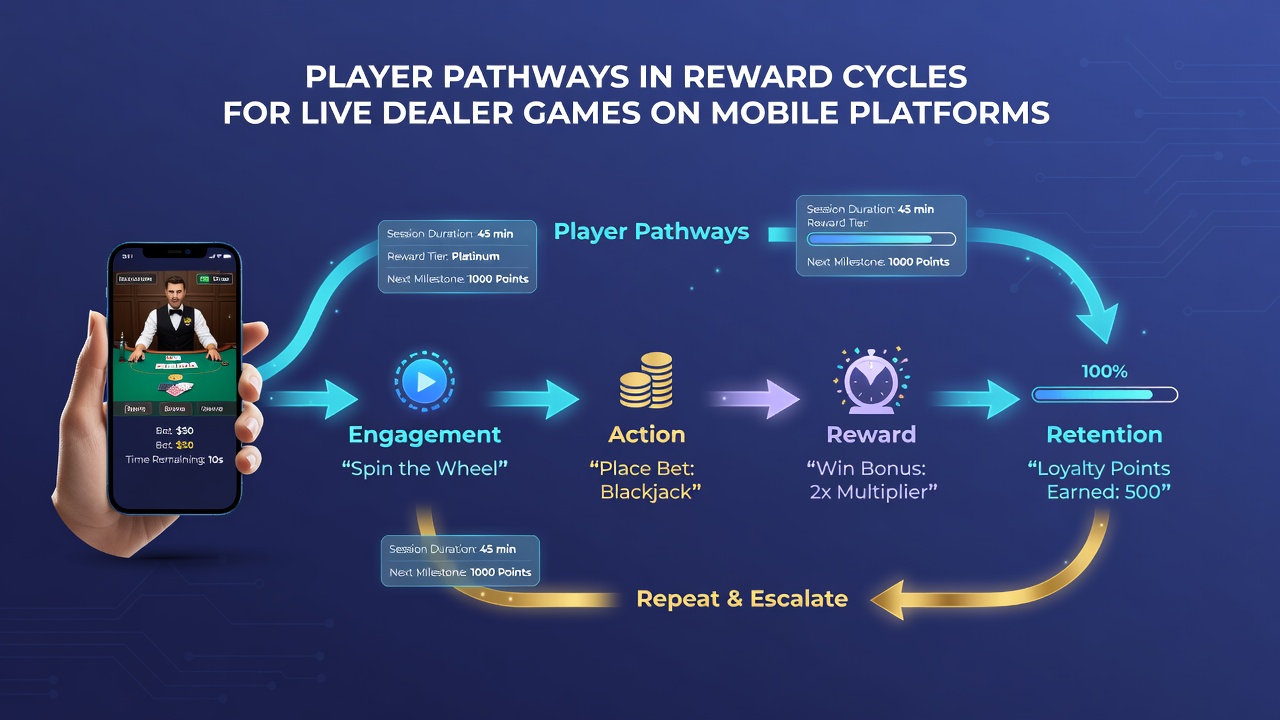
Player pathways in reward cycles represent structured sequences where participants advance through levels of engagement in live dealer games accessed via mobile platforms, with each stage tied to accumulating points from activities like blackjack or roulette sessions. These systems operate on data-driven mechanics that track session duration, bet volumes, and game frequency, then convert those metrics into tiered benefits such as enhanced multipliers or exclusive table access. Research from mobile analytics firms indicates that users who complete initial pathway stages show retention rates 35 percent higher than those who do not, according to aggregated platform statistics released in early 2026.
Core Components of Reward Cycles
Reward cycles begin with entry-level incentives that encourage first-time participation in live dealer environments on smartphones or tablets, then escalate through milestones that unlock progressive advantages while maintaining compliance with regional licensing standards. Observers note that cycles often incorporate real-time feedback loops, where achievements in one game feed directly into eligibility for rewards in others, creating interconnected progressions across multiple titles. Data from industry tracking services reveals that mobile users engage with these cycles an average of 4.2 times per week during peak periods, with live dealer variants showing stronger persistence compared to automated alternatives.
Key elements include point accrual rates calibrated to game type, threshold requirements for tier advancement, and redemption options that range from cash equivalents to customized experiences at virtual tables. Those who've examined platform architectures find that successful cycles balance immediate small rewards with longer-term goals, which sustains activity without overwhelming new participants.
Mobile-Specific Design Elements
Live dealer games on mobile devices integrate reward pathways through touch-optimized interfaces that display progress bars, notification prompts, and quick-access menus for claiming benefits mid-session. Platform developers adjust these features to account for variable screen sizes and connection speeds, ensuring that cycle notifications appear without interrupting gameplay flow. In June 2026, several operators updated their mobile applications to include gesture-based reward tracking, allowing players to swipe through pathway summaries while seated at live tables streamed from remote studios.
Studies conducted by university research groups highlight that mobile reward systems achieve higher completion rates when they incorporate device-native elements such as push alerts timed to user activity patterns. One analysis of European and North American markets found that pathways emphasizing short, mobile-friendly tasks led to 28 percent more tier upgrades within the first month of enrollment.
Examples of Pathway Structures
Consider a typical progression where a user starts at an introductory tier after completing a set number of live roulette spins on their device. Subsequent stages might require combined play across blackjack and baccarat tables, with each milestone granting access to higher-stakes rooms or personalized dealer interactions. There's this case where platform data showed participants advancing through four tiers within eight weeks when reward cycles included milestone bonuses delivered directly to mobile wallets.
Another structure links live dealer participation to broader loyalty frameworks, where points earned during streamed sessions contribute to overall account status visible across both app and desktop versions. Researchers discovered that pathways incorporating social sharing options, such as posting achievements within the app, increased repeat mobile logins by measurable margins in controlled trials.
Data Trends and Platform Comparisons
Figures compiled by gaming technology providers show that reward cycle completion varies by region, with higher engagement in markets where mobile live dealer options expanded rapidly during 2025 and into mid-2026. Australian regulatory bodies have documented similar patterns in licensed operations, noting that structured pathways correlate with extended session lengths when paired with transparent point systems. What's interesting is how certain cycles adapt dynamically, adjusting reward thresholds based on aggregate player behavior collected from thousands of mobile sessions.
Comparisons across operators reveal that those integrating live dealer rewards with broader loyalty programs experience steadier user advancement, while isolated cycles show more drop-off after initial stages. Evidence suggests that mobile platforms emphasizing seamless transitions between games maintain stronger pathway momentum overall.
Regulatory Context and Compliance
Operators align reward cycle designs with requirements from bodies such as state-level gaming authorities in the United States and equivalent organizations in Canada, ensuring that progression mechanics do not conflict with responsible gaming mandates. A report from the Australian Gambling Research Centre outlines how mobile-specific features must include clear disclosures about reward eligibility and spending limits. Those monitoring international standards observe that pathways often embed verification steps to confirm user age and location before advancing tiers.
Additional insights appear in academic examinations, including work referenced through resources like the University of Nevada, Las Vegas Center for Gaming Research, which tracks how reward structures evolve alongside mobile technology updates. Compliance teams review cycle algorithms regularly to maintain alignment with evolving rules across jurisdictions.
Conclusion
Player pathways in reward cycles continue to shape engagement patterns in live dealer games on mobile platforms through layered mechanics that reward consistent participation. Platform operators refine these systems based on performance metrics, while regulatory frameworks guide their implementation to support balanced play. As mobile technology advances, the integration of live dealer elements with reward progression offers structured opportunities for users to advance within licensed environments worldwide.