Regulatory Frameworks Shaping Mobile Slot Volatility and Tiered Loyalty Systems
Ben Vogel · Aug 20, 2026
Regulatory Frameworks Shaping Mobile Slot Volatility and Tiered Loyalty Systems
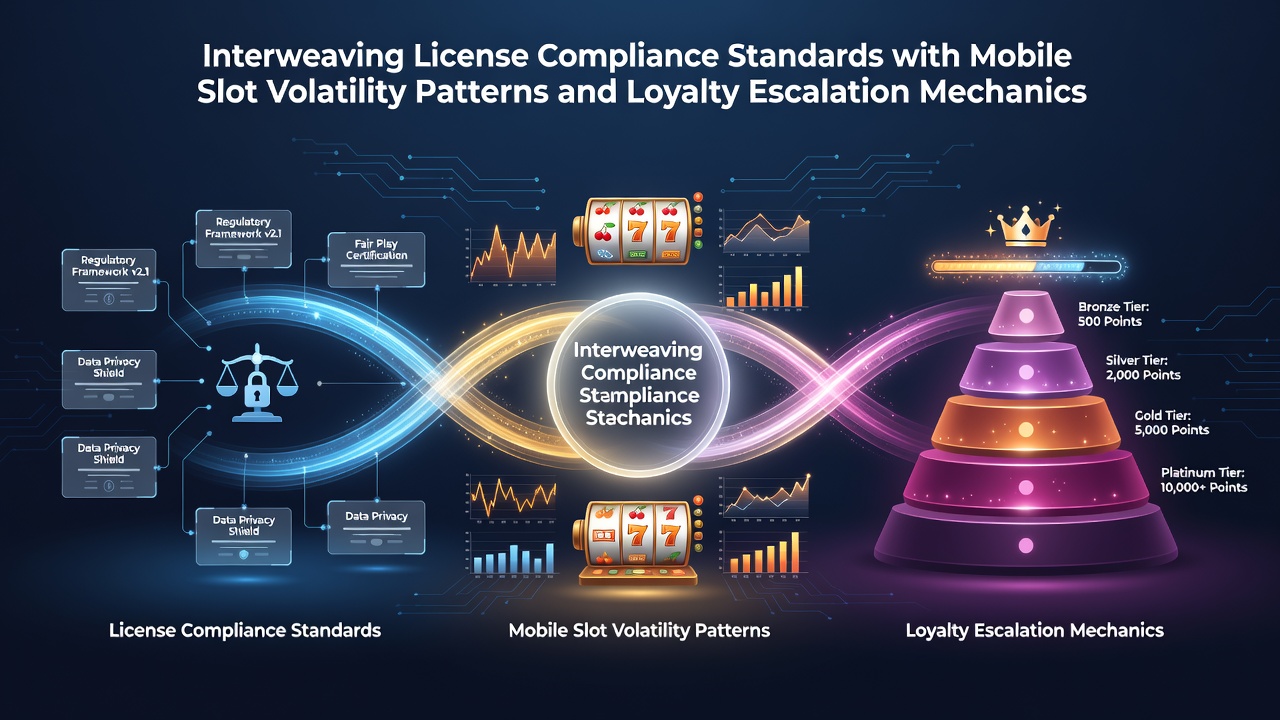
License compliance standards now integrate directly with mobile slot volatility patterns, creating structured pathways that operators follow when designing games and loyalty programs. Data from multiple jurisdictions shows operators must align game mechanics with regulatory requirements while tracking player behavior across volatility levels. This alignment affects how loyalty escalation works because higher-volatility slots often tie into accelerated point accumulation rules under licensed frameworks.
Compliance Standards in Mobile Gaming Environments
Regulatory bodies across regions enforce rules that dictate how slot volatility gets classified and presented to players. The Nevada Gaming Control Board requires detailed reporting on return-to-player percentages and volatility metrics for all mobile titles, ensuring these elements appear clearly in game interfaces. Operators in North American markets adjust volatility settings to meet these disclosure rules, which in turn influences how loyalty programs categorize player activity. Australian regulatory reports from 2026 indicate similar patterns where compliance documentation must include volatility data before any loyalty tier advancement becomes available.
Volatility Patterns in Mobile Slot Design
Mobile slots display distinct volatility patterns that operators map to compliance checklists. Low-volatility games produce frequent small wins that align with rules limiting session length in certain licensed markets, whereas high-volatility titles require additional responsible gaming prompts because of their payout distribution. Researchers at university gaming studies programs have documented how these patterns shift when platforms move to mobile formats, with data showing increased player session times on high-volatility mobile slots compared to desktop versions. Observers note that operators adjust these patterns seasonally, with August 2026 updates reflecting new compliance thresholds in several Canadian provinces that tie volatility disclosure to loyalty reward eligibility.
Linking Volatility Data to Loyalty Escalation
Loyalty escalation mechanics incorporate volatility metrics to determine point multipliers and tier progression speeds. A player engaging with medium-volatility slots might accumulate points at a standard rate, but switching to high-volatility options triggers bonus multipliers under licensed operator policies. This structure stems from compliance requirements that demand transparent tracking of player risk exposure. Industry reports from the American Gaming Association highlight how such systems help operators maintain regulatory standing while scaling rewards, and figures reveal that loyalty programs using volatility-based tiers see higher retention rates across mobile users. One study revealed that operators who integrate these elements report fewer compliance incidents during audits because the data trails remain clear and auditable.
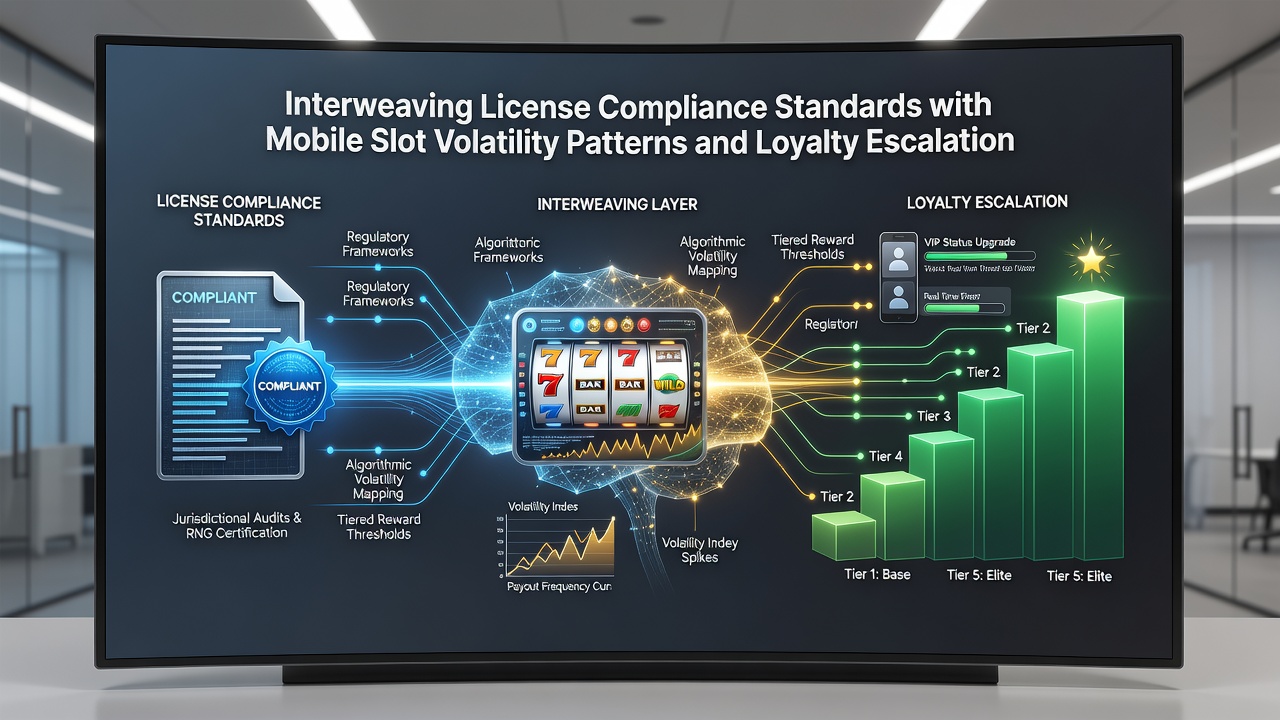
What's interesting is how operators balance these factors during platform updates. They run simulations that test volatility settings against both compliance checklists and loyalty reward formulas, adjusting algorithms until both systems operate without conflict. European operators following Malta Gaming Authority guidelines apply similar methods, where mobile slot volatility data feeds directly into loyalty dashboards that players access. This creates a seamless flow where compliance verification happens automatically as players move through tiers.
Practical Implementation Across Markets
Operators in different regions demonstrate varied approaches to this integration. Canadian provincial regulators require monthly reports that cross-reference volatility statistics with loyalty program changes, while certain Australian states mandate public disclosure of how volatility influences reward structures. These practices emerged from earlier industry reports that identified gaps in mobile game oversight. Data indicates operators who adopted integrated systems earlier achieved smoother license renewals because their records showed consistent alignment between game mechanics and player reward pathways. Take one operator who introduced volatility-linked loyalty tiers in early 2026; their subsequent audit passed without adjustments because the system already met multiple jurisdictional standards simultaneously.
Future Adjustments and Data Trends
Trends through August 2026 point toward tighter connections between these elements as more jurisdictions adopt digital reporting tools. Compliance software now pulls volatility data in real time and feeds it into loyalty management platforms, reducing manual oversight needs. Research institutions continue to analyze how these automated links affect player behavior across mobile environments, with preliminary findings showing stable patterns when operators maintain clear documentation. Industry organizations track these developments through shared databases that exclude any single regulatory focus, allowing operators to compare practices across borders without duplication of effort.
Conclusion
License compliance standards, mobile slot volatility patterns, and loyalty escalation mechanics form an interconnected system that operators manage through data alignment and regulatory reporting. Multiple jurisdictions demonstrate how these components operate together when properly structured, and available figures support continued refinement of these methods in coming periods.