Secure Transaction Pathways and Their Influence on Progressive Incentives Within Regulated App Gaming Ecosystems
Ben Vogel · Jul 28, 2026
Secure Transaction Pathways and Their Influence on Progressive Incentives Within Regulated App Gaming Ecosystems
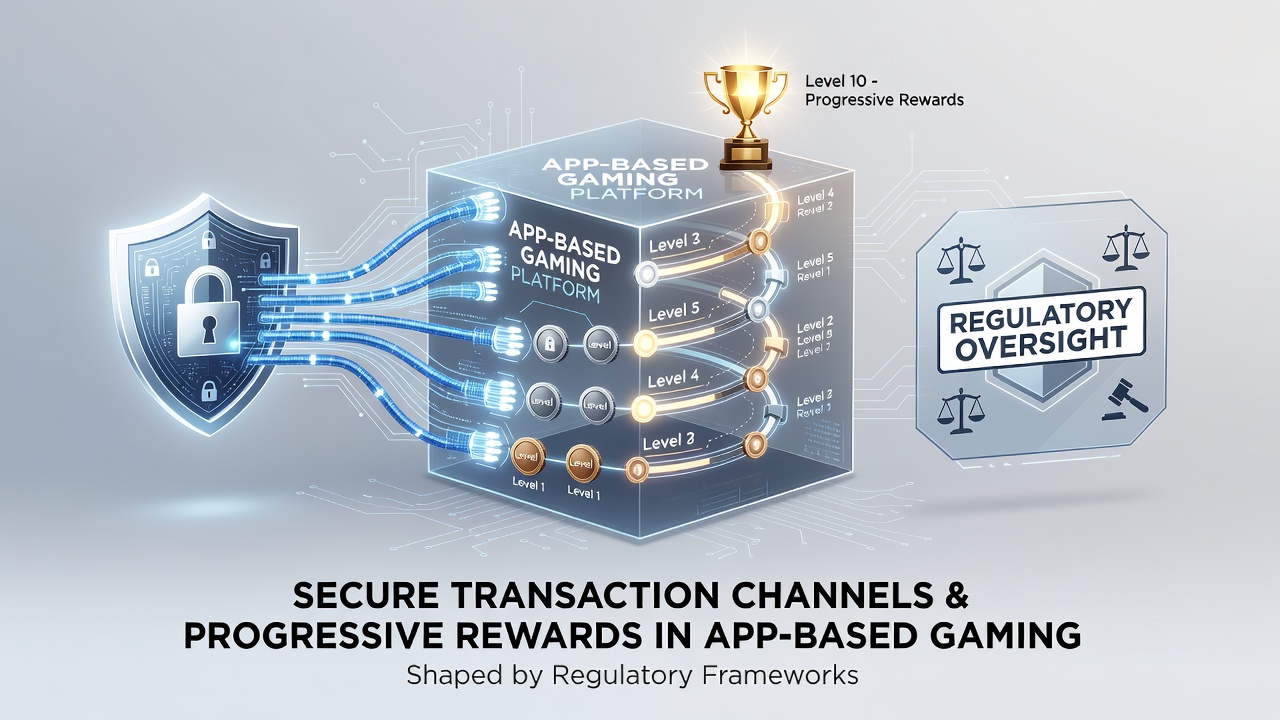
App-based gaming platforms rely on verified transaction channels to build layered reward structures that comply with oversight requirements from multiple jurisdictions, and these systems track player activity through encrypted data flows that support both compliance and incentive progression. Regulatory frameworks in regions such as the United States and the European Union require operators to maintain audit trails for all deposits and withdrawals, which in turn shapes how loyalty programs advance from basic entry-level perks to higher-tier benefits including customized bonus multipliers and accelerated point accumulation.
Verified Payment Methods and Data Integrity Requirements
Secure channels like e-wallets and bank-linked transfers generate immutable records that regulators examine during compliance reviews, and operators use this information to calibrate reward eligibility criteria such as minimum transaction volumes or frequency thresholds that unlock successive loyalty stages. Data from oversight bodies shows that platforms integrating multi-factor authentication and real-time fraud detection experience fewer disruptions in reward distribution, while those relying on less robust methods face delays or restrictions on promotional offerings. In July 2026 several North American licensing authorities updated their technical standards to mandate enhanced encryption protocols for all in-app transactions, which directly affects how progressive reward algorithms calculate player status based on verified spend rather than self-reported activity.
Regulatory Oversight Across Jurisdictions
Authorities in Pennsylvania and New Jersey enforce rules that tie reward structures to verified player identities, and this approach prevents unauthorized accounts from accessing progressive benefits while allowing operators to offer escalating incentives tied to cumulative transaction history. Similar measures appear in Australian state regulations where gaming apps must demonstrate that reward tiers incorporate anti-money laundering checks at each advancement level. Researchers at the University of Nevada have documented how these oversight mechanisms encourage the adoption of tokenization techniques that mask sensitive financial details yet still permit accurate reward tracking across multiple sessions.
Impact on Reward Tier Development
Progressive structures often begin with entry rewards such as initial deposit matches, then advance to mid-level benefits like cashback percentages or free spin allocations once transaction security protocols confirm consistent activity, and top tiers grant personalized experiences including dedicated account managers and exclusive event access. Because each advancement depends on data from secure channels, operators can implement dynamic adjustments that respond to regulatory updates without halting reward programs entirely. Observers note that platforms using segregated player funds and automated reconciliation tools report smoother transitions between tiers, whereas those with fragmented payment systems encounter bottlenecks when attempting to scale incentives.
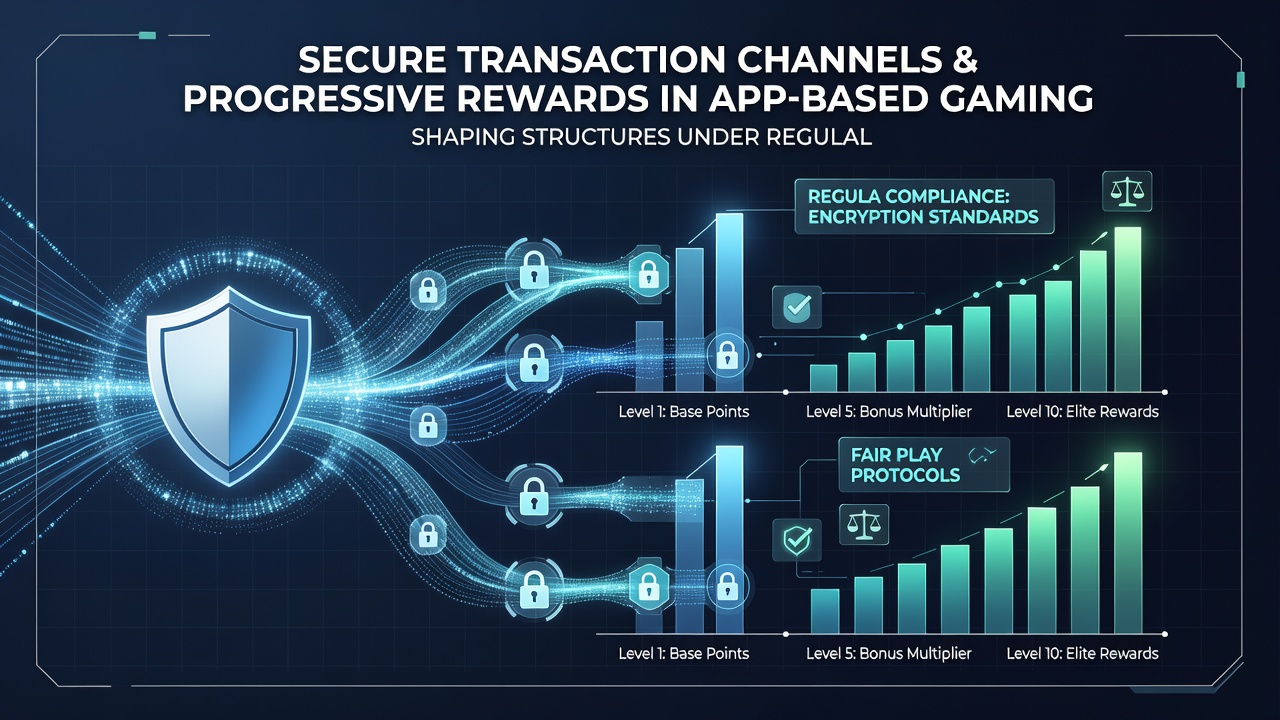
Industry reports indicate that integration of regulated cryptocurrency options under strict licensing conditions has expanded the range of eligible transactions feeding into reward calculations, and this expansion allows players to progress through tiers via additional payment routes while maintaining full compliance with know-your-customer mandates. In practice, a player completing verified deposits through approved channels accumulates points at rates that reflect both transaction size and security rating, which creates measurable differences in how quickly individuals reach higher loyalty brackets compared with those using less monitored methods.
Technical Standards and Future Adjustments
Standards organizations continue to refine requirements for real-time monitoring of transaction integrity, and these refinements influence how app developers design reward engines that pause or accelerate progression based on risk scores derived from payment behavior. Evidence from Canadian provincial regulators demonstrates that operators who embed these checks early in the reward architecture reduce instances of bonus misuse while still delivering competitive progressive offerings. What's notable is that such systems rely on continuous data exchange between payment processors and gaming servers, which creates a feedback loop that refines both security parameters and incentive formulas over time.
Conclusion
Secure transaction channels serve as the foundation for progressive reward structures in app-based gaming by supplying the verifiable data streams that regulatory oversight demands, and this relationship continues to evolve as new technical standards emerge across different licensing regions. Operators that align payment security with reward logic maintain compliance while offering players clear pathways through successive incentive levels, and ongoing updates scheduled beyond July 2026 are expected to further integrate these elements into unified platform architectures.