Synchronizing Secure Transfers with Table Tactics for Progressive Rewards in Portable Licensed Arenas
Parker Frank · Aug 11, 2026
Synchronizing Secure Transfers with Table Tactics for Progressive Rewards in Portable Licensed Arenas
Operators in portable licensed arenas coordinate encrypted payment channels with table game protocols to unlock layered reward programs that scale across mobile sessions, and this synchronization draws from established frameworks used by regulatory bodies in multiple jurisdictions. Data from the Nevada Gaming Control Board shows that licensed platforms integrate real-time verification layers for deposits and withdrawals while players apply structured approaches to games such as blackjack and baccarat, creating pathways to cumulative bonus tiers that activate after verified transaction sequences.
Secure transfer systems rely on tokenization standards and multi-factor authentication that align with game session logs, allowing reward engines to track both financial activity and strategic play patterns without interruption. Those who manage these systems report that platforms in regions like Ontario and parts of the European Union apply similar verification models, where each confirmed transfer triggers eligibility checks against predefined table performance metrics.
Payment Integration with Table Game Protocols
Table tactics in licensed mobile environments involve probability-based decision trees that players record through in-app analytics tools, and these records merge with transaction histories to determine reward progression rates. Research from the University of Nevada, Reno indicates that synchronized systems reduce latency between deposit confirmation and bonus accrual by linking wallet APIs directly to game servers, which permits progressive multipliers to apply immediately after qualifying hands or rounds complete.
Portable arenas enforce session limits and identity checks that run parallel to transfer approvals, ensuring compliance while maintaining continuous access to reward ladders. Observers note that platforms achieve this by embedding compliance scripts within both the payment gateway and the table game client, so that a verified withdrawal or deposit automatically updates the player's standing in progressive pools.
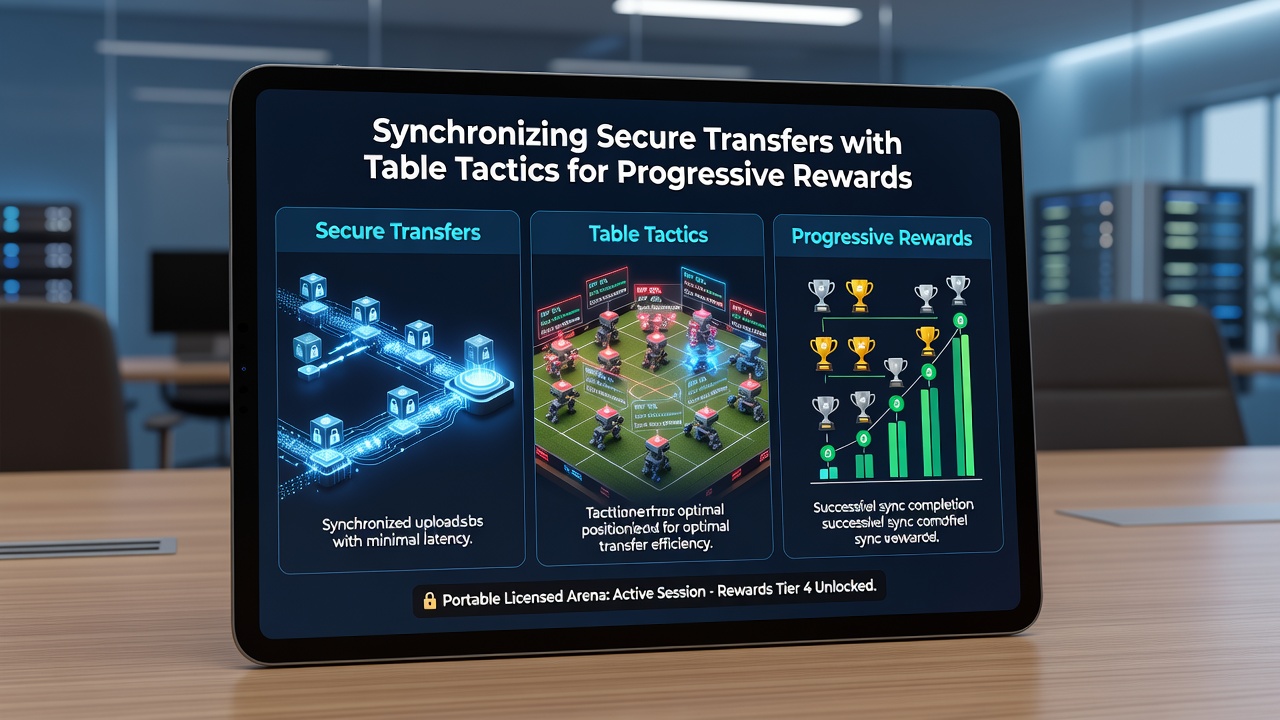
Progressive Reward Activation Mechanisms
Reward structures in these arenas typically consist of tiered point systems that accumulate from combined metrics of transfer volume and table outcomes, and activation occurs once thresholds align across both categories. Figures released by the Alcohol and Gaming Commission of Ontario reveal that licensed operators recorded measurable increases in player retention during periods when transfer and tactic data streams were merged into unified dashboards accessible on portable devices.
August 2026 saw several platforms in regulated markets update their reward engines to accommodate faster reconciliation between e-wallet confirmations and table result logs, which allowed progressive bonuses to compound across multiple device sessions. This update followed testing phases that confirmed reduced error rates in reward distribution when synchronization protocols operated without manual intervention.
Regional Regulatory Alignment
Licensed operators in Australia and select Canadian provinces apply comparable synchronization standards that reference guidelines from the Australian Communications and Media Authority alongside provincial gaming statutes, and these rules require audit trails that capture both financial movements and in-game decisions. Case examples from these regions demonstrate that platforms which embed transfer verification within table interfaces experience fewer compliance flags during routine inspections.
Industry reports compiled by the International Gaming Standards Association highlight how portable systems achieve consistency by routing all reward calculations through centralized ledgers that update in real time, regardless of the player's location within licensed jurisdictions. Such ledgers connect directly to approved payment processors, which eliminates delays that previously separated transaction approval from tactic-based reward credits.
Conclusion
Synchronization between secure transfers and table tactics continues to shape reward delivery in portable licensed arenas through integrated data flows that respect regional compliance requirements while supporting progressive structures. Evidence from regulatory filings and academic reviews confirms that these coordinated processes maintain operational integrity across mobile environments when platforms adhere to established verification and logging standards.