Tracing Digital Wallet Pathways for High-Limit Table Access in Compliant International Platforms
Ben Vogel · Jun 30, 2026

Tracing Digital Wallet Pathways for High-Limit Table Access in Compliant International Platforms
Digital wallet systems have become central to accessing high-limit table games on regulated platforms operating across multiple jurisdictions, and the pathways involve layered verification processes that tie financial transactions directly to player eligibility checks. These routes start with account setup on licensed operators where users link wallets such as those supporting instant transfers, then proceed through identity confirmation steps mandated by local gaming authorities before high-stakes tables become available.
Core Mechanisms Behind Wallet Integration
Platforms in regions like the United States, Australia and parts of Europe require digital wallets to interface with centralized compliance databases that track transaction volumes and source of funds, which means users must complete initial deposits through approved channels before any table access opens. Data from the US Department of the Treasury shows rising adoption of such integrated systems in 2025, with volumes increasing as operators align wallet features with anti-money laundering protocols. Once linked, the pathway branches into tiered access levels where cumulative play and deposit history unlock progressively higher table limits, often monitored in real time by automated systems.
Observers note that June 2026 marks a period when several international platforms introduced enhanced wallet tracing tools that log every transfer with timestamps and destination details, allowing regulators to review pathways without disrupting user flow. This development builds on existing frameworks where wallets serve as both funding sources and audit trails, connecting deposits straight to table sessions while maintaining separation from lower-limit areas.
Compliance Layers That Shape Access Routes
Regulatory bodies enforce distinct checkpoints along these digital routes, starting with basic wallet verification and advancing to enhanced due diligence for users seeking high-limit entry. In Australia, for instance, the Australian Transaction Reports and Analysis Centre requires operators to flag wallet transactions exceeding certain thresholds before granting table access, which creates a documented pathway that regulators can trace end to end. Similar structures appear in Canadian provincial systems and select Asian markets, where wallet providers must share anonymized data patterns with gaming commissions to confirm compliance.
Research indicates that successful navigation often depends on consistent wallet usage across sessions, as platforms cross-reference transaction histories against risk profiles built from prior activity. Those who've studied these systems find that players who maintain steady, documented flows through the same wallet tend to reach high-limit tables faster than those switching providers frequently, since the latter triggers additional review cycles.
International Platform Variations in Pathway Design
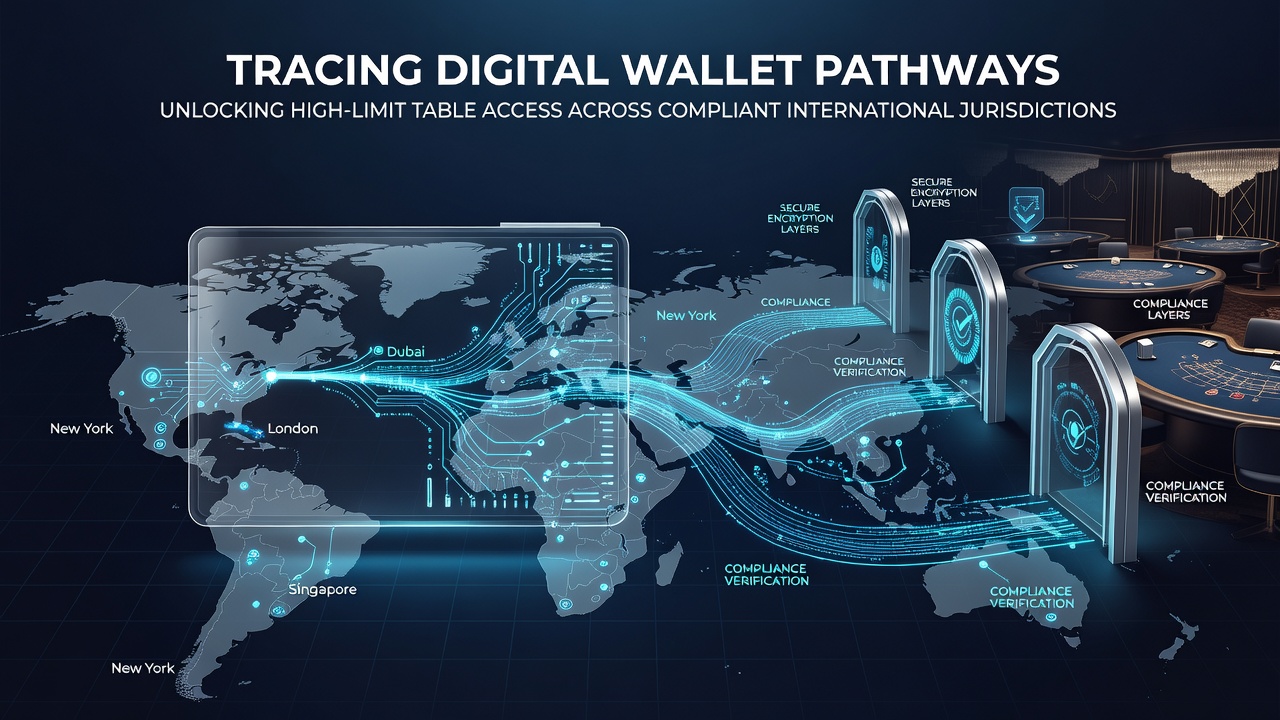
European operators outside the UK framework often route wallet activity through central clearing houses that standardize access to premium tables, whereas North American sites emphasize direct integration with state-level oversight bodies. What's interesting is how these differences create multiple traceable routes: one might involve wallet-to-bank reconciliation reports submitted monthly, while another relies on blockchain-style ledgers for instant verification. A study from the University of Nevada's gaming research division revealed that platforms using multi-jurisdictional wallet networks achieved higher compliance scores in 2025 audits compared with single-region setups.
Take one operator in New Jersey that mapped wallet deposits to table eligibility through a progressive scoring model, where each verified transfer added points toward high-limit unlocks. Similar models operate in Macau-linked platforms and Australian state casinos, demonstrating how pathways adapt to local rules while preserving the core tracing capability that links funds to gameplay.
Practical Steps in Tracing and Unlocking Access
Users begin by selecting a wallet compatible with the platform's listed providers, then submit identification documents that the system cross-checks against financial records before any high-limit tables appear in the lobby. Subsequent steps include monitoring deposit patterns over a set period, during which algorithms assess consistency and flag anomalies that could delay access. Platforms in multiple regions now provide dashboard views showing progress along the pathway, complete with estimated timelines based on transaction data.
Evidence suggests that platforms updated their interfaces in early 2026 to include clearer mapping of these steps, reducing friction for users who follow the documented sequence. Industry reports from the International Association of Gaming Regulators highlight how such transparency has improved overall pathway completion rates without compromising security standards.
Conclusion
Digital wallet pathways continue to evolve as the primary mechanism for securing high-limit table access on compliant international platforms, with tracing capabilities embedded at every stage from initial link to full eligibility. As June 2026 progresses, these systems reflect ongoing alignment between wallet technology and regulatory expectations across diverse markets, creating structured routes that prioritize verifiable transactions while expanding options for qualified players.