Tracing Intersections Between Loyalty Accumulation Mechanisms and Multi-Platform Game Accessibility in Certified Digital Environments
Parker Frank · Jul 23, 2026
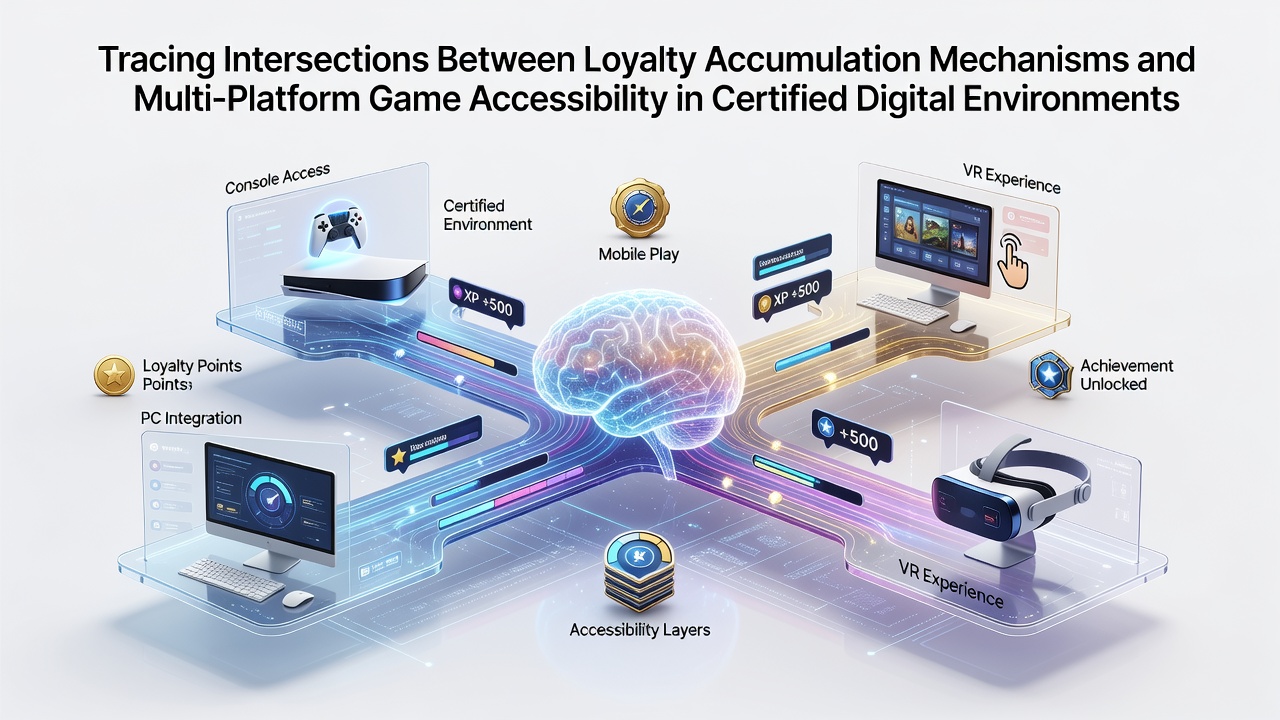
Tracing Intersections Between Loyalty Accumulation Mechanisms and Multi-Platform Game Accessibility in Certified Digital Environments
Certified digital gaming environments rely on loyalty accumulation mechanisms that track player activity through points, tiers, and rewards, while multi-platform accessibility ensures these systems function consistently across mobile devices, desktop computers, and tablets in regulated markets. Operators integrate these elements so that progress earned on one device carries over without interruption, which maintains compliance with regional licensing requirements.
Studies from the American Gaming Association indicate that loyalty programs in licensed online spaces often use centralized databases to log wagers, session times, and game selections. These records feed into tiered structures where higher volumes of activity unlock benefits such as cashback percentages or exclusive event access, and the same data streams support accessibility protocols that adapt interfaces for different screen sizes and operating systems.
Loyalty Accumulation in Regulated Settings
Points systems in certified platforms calculate rewards based on wager amounts and game types, with multipliers applied during promotional periods, yet every transaction remains logged to satisfy audit trails required by licensing bodies. Players advance through tiers by reaching cumulative thresholds, and operators adjust these thresholds periodically to align with updated regulatory guidelines. Data from industry reports show that such mechanisms encourage sustained engagement while preventing unauthorized transfers of benefits between accounts.
Multi-Platform Accessibility Features
Accessibility across platforms involves responsive design elements that scale graphics and controls automatically, along with cloud-based save states that preserve loyalty balances regardless of the access point. Certified environments incorporate encryption standards and identity verification steps that remain uniform whether a session begins on a smartphone or a desktop browser. Research conducted by the University of Nevada's International Gaming Institute highlights how these features reduce technical barriers for users in jurisdictions with strict device-agnostic rules.
Where the Mechanisms Converge
Intersections appear when loyalty tracking software synchronizes with accessibility layers to deliver real-time updates on points and tier status during device switches. For instance, a player who earns points through table games on a tablet can log into a mobile app later and see identical balances, because backend servers reconcile activity logs across IP addresses and device identifiers. In July 2026 several North American and European operators deployed enhanced API connections that further streamlined this process while meeting new data protection mandates from multiple oversight agencies.
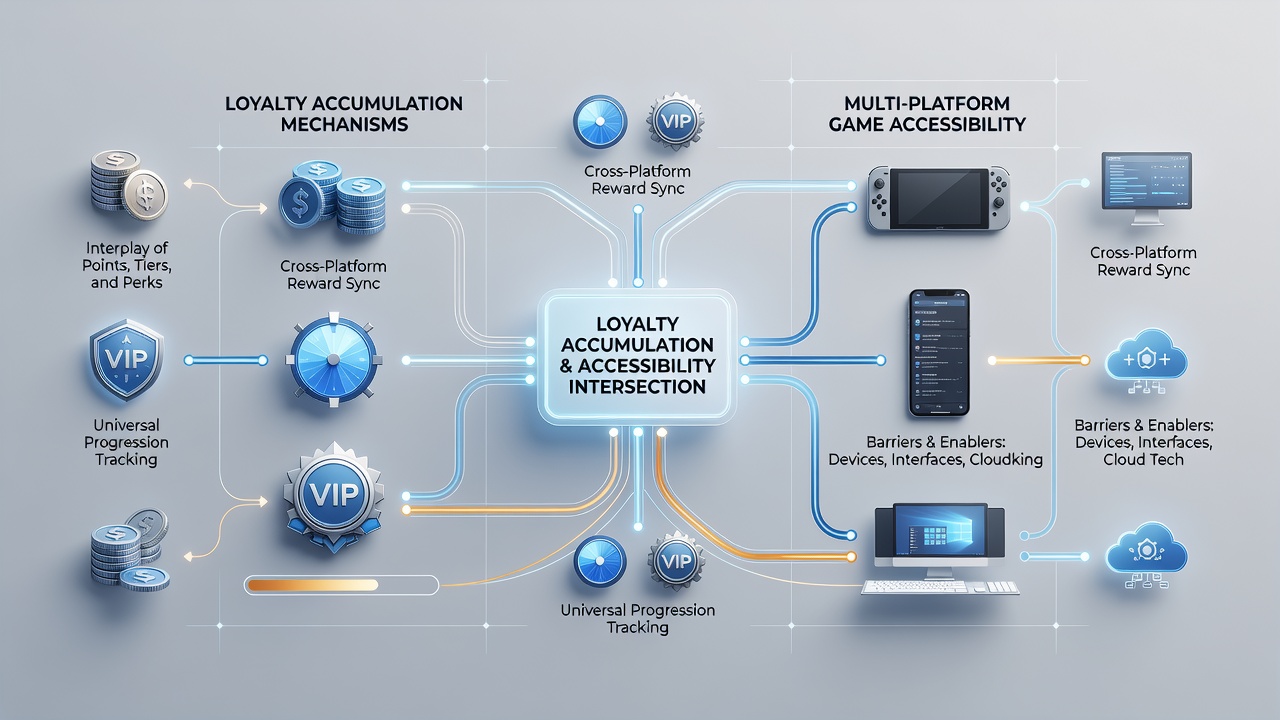
Observers note that seamless synchronization also supports responsible gaming tools, since session limits and self-exclusion flags travel with the account across platforms. This prevents circumvention attempts and keeps all activity records centralized for regulatory review. Figures from the Canadian Gaming Association reveal that platforms employing unified loyalty and accessibility architectures report higher compliance rates during periodic inspections.
Technical and Regulatory Considerations
Developers build loyalty modules using modular code that slots into existing accessibility frameworks, allowing updates to one system without disrupting the other. Regulators in Australia and parts of the European Union require documentation showing that point calculations remain accurate after any platform migration, which prompts operators to conduct regular cross-device testing. Those who have examined these systems find that integration reduces support tickets related to missing rewards, because discrepancies surface and resolve during automated reconciliation cycles.
Case examples from licensed markets demonstrate how a single loyalty ledger supports both desktop loyalty dashboards and mobile push notifications for tier milestones. This dual functionality keeps players informed without requiring separate logins or manual data entry on each device. Evidence from academic papers on digital gaming infrastructure underscores the importance of standardized data formats that enable such interoperability while preserving audit integrity.
Conclusion
The overlap between loyalty accumulation mechanisms and multi-platform accessibility continues to shape how certified digital environments deliver consistent player experiences. Centralized tracking combined with adaptive interfaces ensures that rewards and access remain reliable across devices, and ongoing regulatory updates reinforce these connections. Data from multiple jurisdictions confirm that operators who maintain robust integration between these systems sustain compliance and operational efficiency over time.