Tracing the Evolution of Reward Pathways from Basic Slots to Premium Live Experiences in Regulated Apps
Logan Roth · Jun 18, 2026
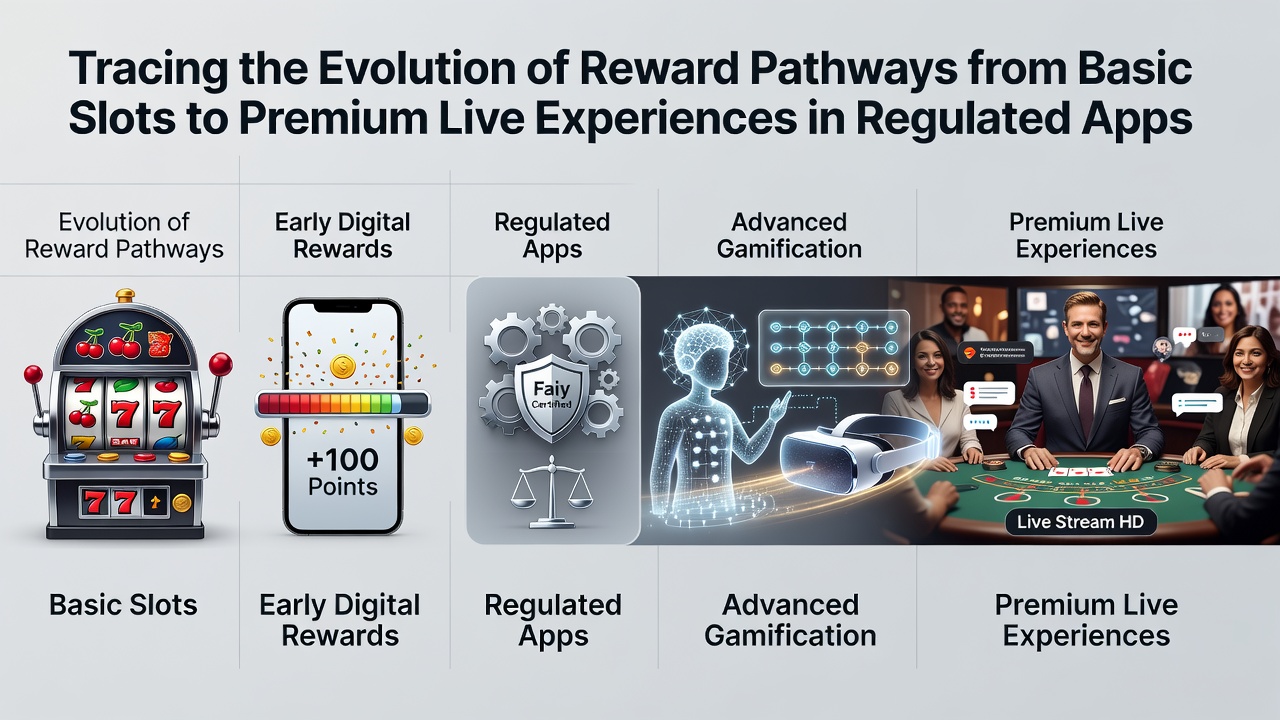
Tracing the Evolution of Reward Pathways from Basic Slots to Premium Live Experiences in Regulated Apps
Reward pathways in regulated gaming apps began with straightforward point systems attached to slot play, where players earned credits based on wager volume alone and these points converted into limited free spins or cashback offers. Early platforms tracked activity through simple databases that recorded spins and accumulated totals without personalization, a structure that persisted through the initial wave of online casino launches in the late 1990s and early 2000s.
Those systems relied on fixed multipliers, such as one point per dollar wagered, and offered redemption menus that rarely extended beyond slot-related perks. Regulators in multiple jurisdictions required transparent terms for these rewards, which kept structures basic yet compliant and created a foundation that later expansions built upon.
Expansion Through Tiered Loyalty Frameworks
Platform operators introduced tiered loyalty programs once mobile apps gained traction, moving beyond flat rewards to progressive levels that unlocked higher redemption rates and additional benefits as cumulative play increased. Bronze, silver, and gold tiers emerged with each stage requiring specific point thresholds, and data from industry reports shows these structures boosted retention metrics across multiple markets. Observers note that operators integrated real-time tracking so players could monitor progress within the app interface itself.
Regulated environments in North America and parts of Europe enforced clear disclosure rules around tier qualification periods and expiration dates, which standardized how rewards scaled with activity. One study from the University of Nevada examined how these ladders influenced player behavior, revealing that intermediate tiers often produced the strongest engagement spikes because the next milestone remained achievable yet meaningful.
Integration of Live Dealer Elements into Reward Structures
Live dealer tables entered reward pathways as operators began awarding points for table game wagers alongside slot activity, creating unified ledgers that treated roulette, blackjack, and baccarat sessions equivalently to reel spins. This shift occurred as streaming technology matured and regulatory bodies approved live-streamed games under the same licensing frameworks that covered slots. Premium experiences followed, where accumulated points granted access to private tables, dedicated dealers, or customized game variants unavailable to standard users.
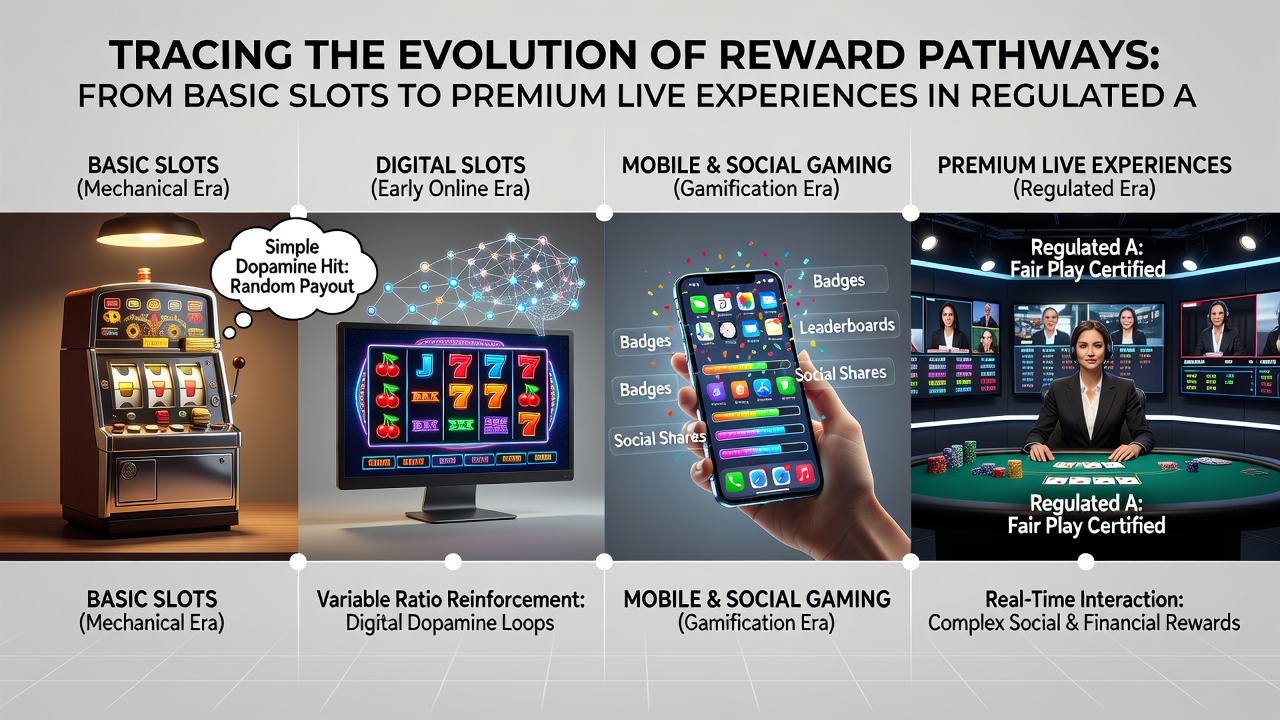
By 2026, several platforms had rolled out hybrid pathways where slot progress contributed directly to live dealer privileges, such as priority seating or reduced betting minimums during peak hours. Figures from the European Gaming and Betting Association indicate that live integration increased average session length by measurable margins in compliant markets, particularly where apps allowed seamless switching between automated slots and real-time tables without separate logins.
Personalization and Data-Driven Refinements
Advanced analytics allowed operators to tailor reward offers based on individual play patterns, moving from generic point catalogs to targeted incentives like bonus rounds matched to preferred slot themes or live table invites aligned with historical game selections. These refinements stayed within regulatory boundaries that mandated fair algorithms and audit trails, with third-party testing required in jurisdictions such as those overseen by the Nevada Gaming Control Board. Players received notifications through in-app messaging that highlighted relevant opportunities without forcing participation.
Case examples include programs where frequent slot users received invitations to live blackjack tournaments seeded with loyalty points, while table enthusiasts unlocked slot-specific multipliers after meeting live play thresholds. Such cross-category pathways became common once data systems matured enough to process multi-game activity in real time, and research from academic sources confirms these methods sustained engagement across diverse player segments.
Current Landscape in Mid-2026
June 2026 saw continued refinement of these reward ecosystems as apps incorporated biometric login options and instant point updates during live sessions. Regulated operators expanded premium tiers that bundled live dealer access with exclusive event streams, all while maintaining separate ledgers for wagering requirements tied to each reward category. Industry associations report steady growth in app downloads across regions where licensing frameworks explicitly cover both slots and live streaming, underscoring the maturation of unified pathways from their basic origins.
Conclusion
The progression from simple slot point tallies to interconnected live experiences reflects incremental technological and regulatory adaptations that maintained compliance at each stage. Data across multiple markets demonstrates how unified tracking systems and tiered access have become standard features in regulated apps, delivering measurable continuity between automated and interactive formats without altering core licensing obligations.