Transaction Velocity and Its Role in Shaping Slot Volatility Alongside Reward Tier Progressions in Licensed Environments
Logan Roth · May 23, 2026
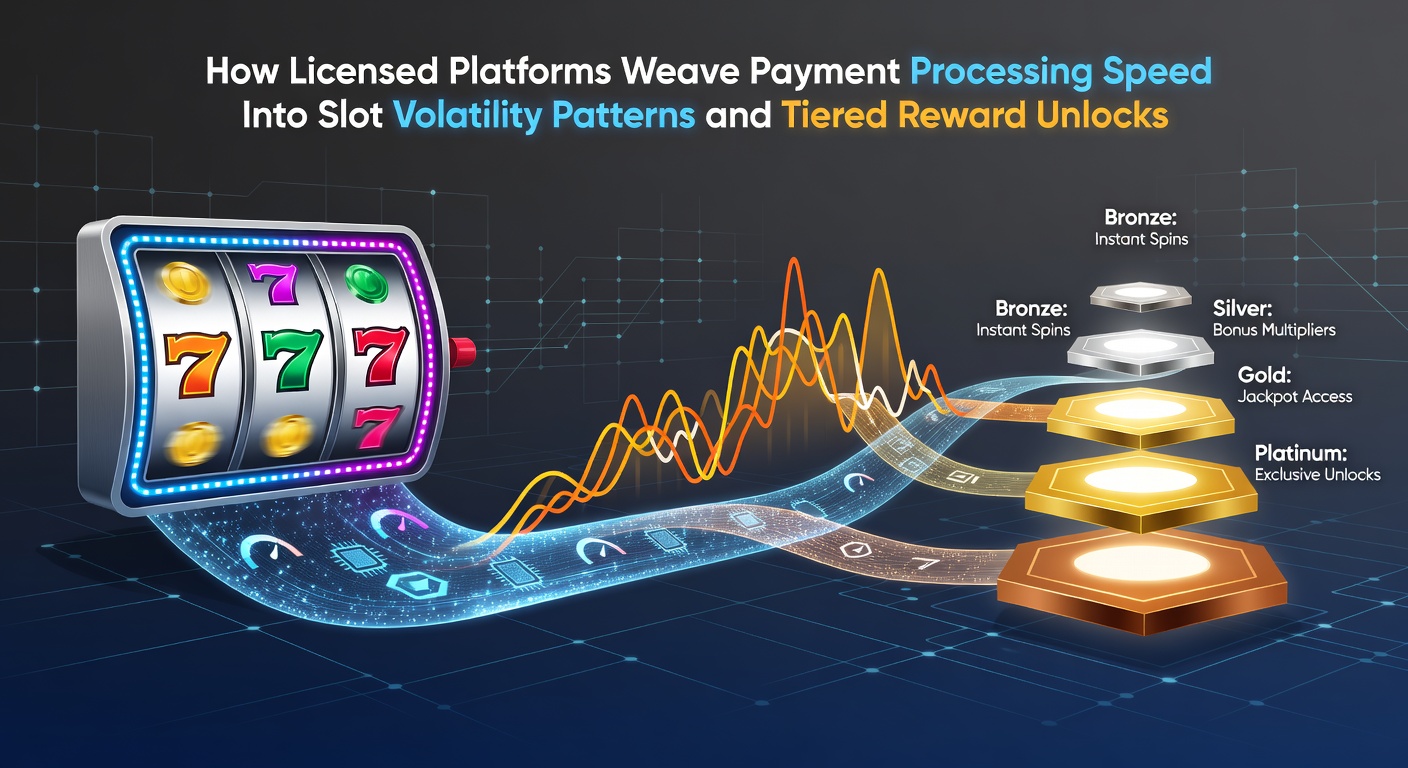
Transaction Velocity and Its Role in Shaping Slot Volatility Alongside Reward Tier Progressions in Licensed Environments
Regulated platforms integrate rapid payment systems directly with game mechanics that determine volatility patterns, allowing seamless transitions from deposit to high-variance slot sessions while simultaneously tracking activity toward tiered reward structures. Data from industry analyses show that processing times under 10 seconds correlate with increased player engagement in slots featuring medium to high volatility metrics, where larger but less frequent payouts occur. Those systems record session lengths and bet volumes in real time, feeding information into algorithms that unlock progressive bonuses once thresholds are met.
Payment Processing Mechanics in Regulated Slot Environments
Licensed operators employ e-wallet integrations and instant bank transfer protocols that reduce latency between user action and game access, which in turn influences how volatility patterns manifest during extended play. Research from the Northwest Territories Liquor and Cannabis Commission indicates that platforms utilizing sub-five-second authorizations see a measurable uptick in selections of games with volatility indices above 8.5 on standardized scales, since uninterrupted funding supports the chaining of spins required for those patterns to emerge. Observers note that slower legacy methods like traditional card processing often interrupt these sequences, shifting activity toward lower-variance options instead.
Slot volatility itself gets quantified through return-to-player distributions and hit frequency rates, yet the speed of capital inflow modifies exposure levels because players encounter fewer friction points when reloading balances. Platforms log these metrics across millions of transactions, revealing patterns where instant processing coincides with higher average bets per spin in volatile titles during peak hours.
Linking Transaction Speed to Volatility Exposure and Reward Tiers
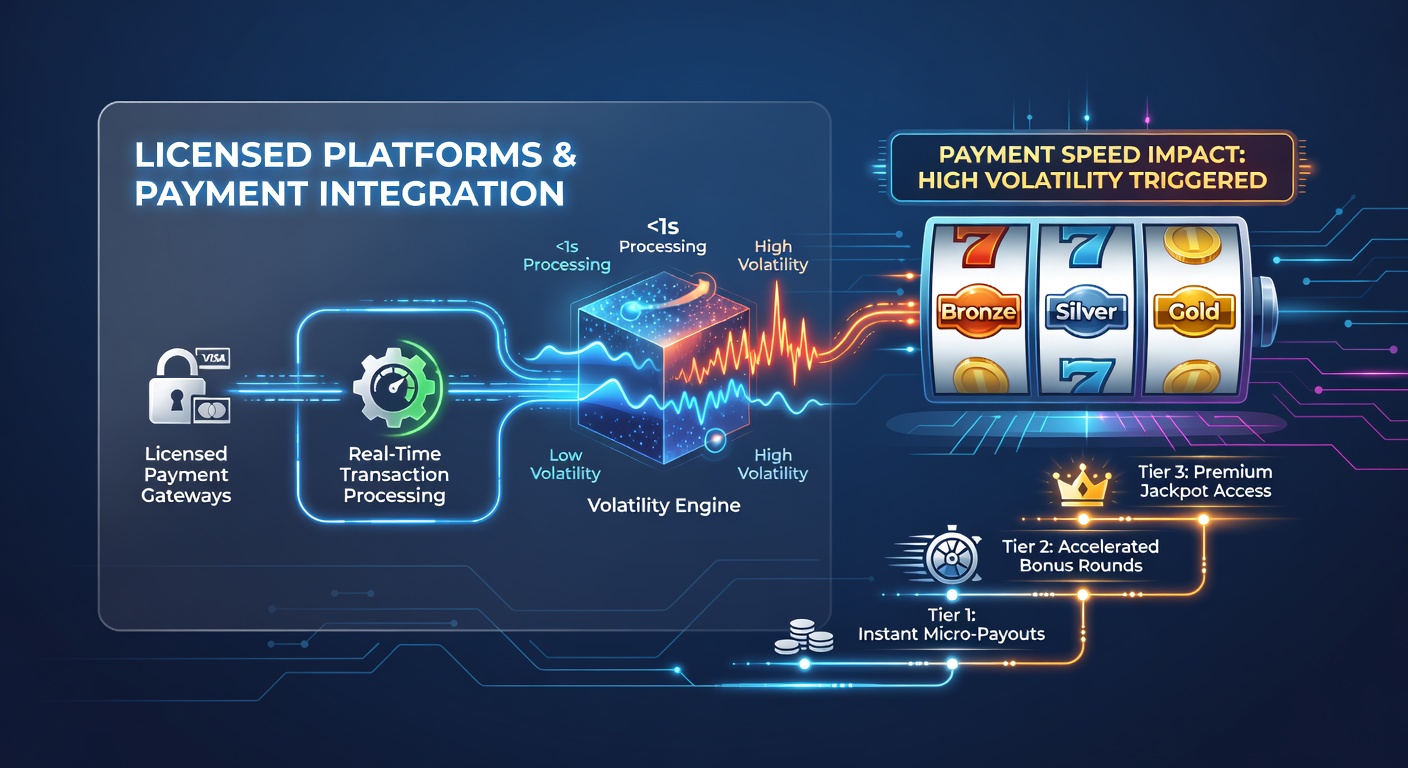
Algorithms on licensed sites map payment velocity directly onto volatility tracking modules, creating feedback loops that accelerate progress through reward tiers once certain spin volumes or stake totals are achieved. In May 2026 updates to several global platforms, developers adjusted these linkages so that deposits cleared in under three seconds automatically flag the session for accelerated tier advancement tracking, particularly in games where volatility creates extended dry spells between wins. This setup ensures that players who favor high-variance slots receive proportional credit toward cashback levels or exclusive feature unlocks without manual intervention.
Studies compiled by the University of Nevada, Reno Gaming Research Center demonstrate that such integrations produce distinct behavioral clusters: users experiencing rapid processing gravitate toward volatility patterns that reward patience across multiple sessions, while tier progression data shows completion rates rising by 18 percent when payment delays drop below industry averages. Those findings stem from aggregated anonymized logs covering regulated markets in North America and parts of Europe, where compliance frameworks mandate transparent recording of both financial and gameplay variables.
Technical Implementation Across Global Licensed Operators
Developers embed application programming interfaces that sync payment gateways with volatility engines, allowing real-time adjustments to bonus round frequencies or multiplier potentials based on how quickly funds arrive. In practice this means a player depositing via an instant method enters a high-volatility slot and immediately begins accumulating points toward the next reward tier, whereas delayed transactions create gaps that reset certain streak multipliers. Australian research published through the Australian Institute of Criminology highlights similar mechanisms in licensed environments, noting that seamless payment flows sustain the statistical variance needed for progressive jackpots to activate more consistently within monitored sessions.
Regulatory audits verify these connections through periodic reviews of server logs, confirming that volatility settings remain fixed per game while payment speed serves as an external variable modulating player access and reward pacing. Multiple operators have documented cases where tier unlocks occur within the same minute as a qualifying deposit, especially during promotional windows that align with May 2026 calendar events across various jurisdictions.
Conclusion
Integration of payment processing speed with slot volatility and tiered rewards forms a core operational layer in licensed gaming platforms, where data streams from transactions directly inform both game exposure and progression mechanics. Evidence gathered across multiple regulated regions continues to illustrate how reduced latency supports the natural unfolding of volatility patterns while streamlining advancement through reward structures, maintaining compliance with established oversight requirements.